Germany Sets 2045 Target to Phase Out Fossil Fuels
By Fiona Harvey Environment editor2 min read
BERLIN: Germany has for the first time formally committed to phasing out fossil fuels by 2045, marking a shift from its previous climate commitments, which focused primarily on achieving carbon neutrality.
The German government unveiled a new roadmap on Wednesday outlining measures to accelerate the transition from coal, oil and gas while expanding renewable energy across Europe’s largest economy.
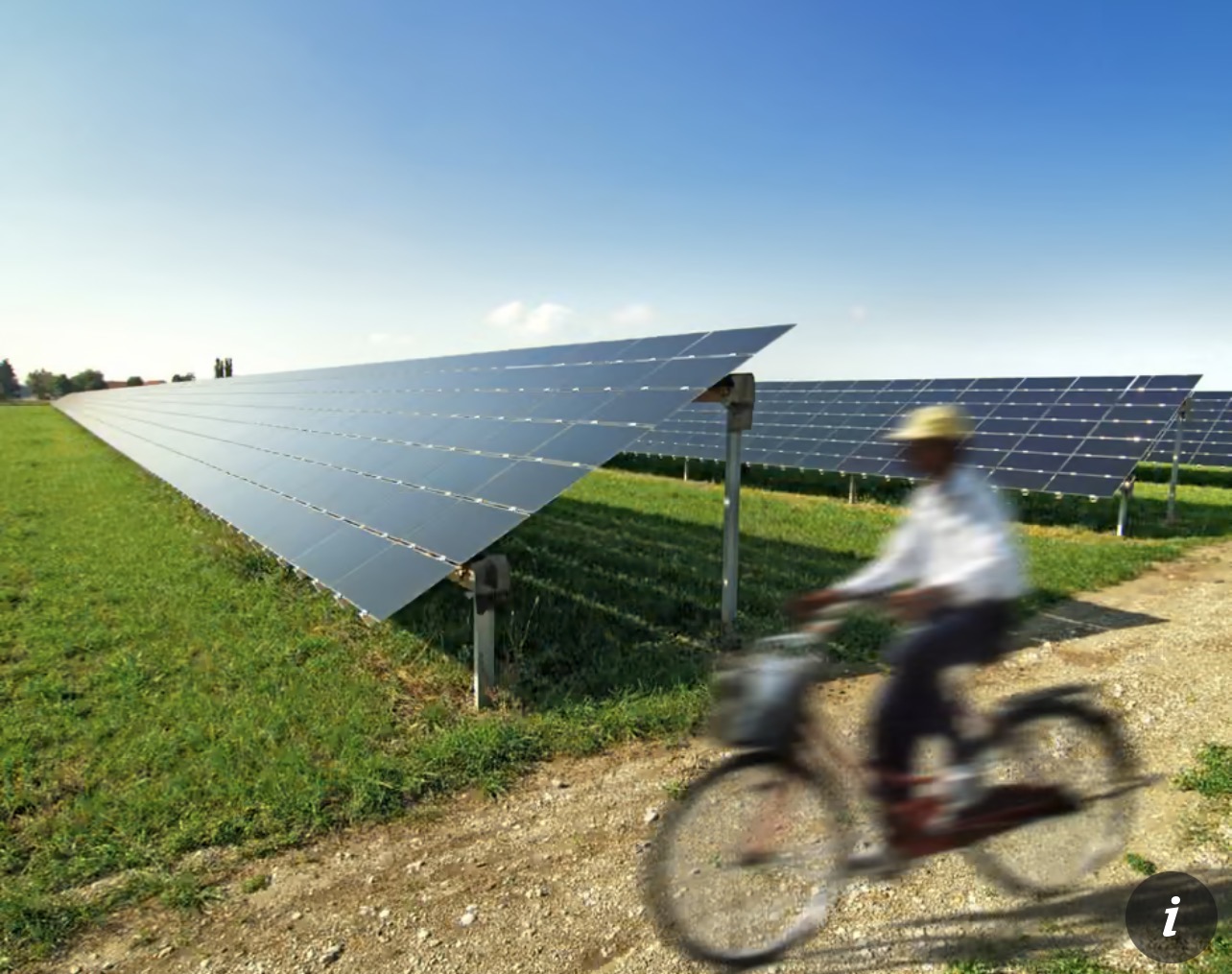
Under the plan, Germany aims to increase renewable sources to 80% of electricity generation by 2030, up from the current target of 55%. The government also plans to add around 12 gigawatts of onshore wind capacity and reach 215 gigawatts of solar capacity by the end of the decade.
Berlin reaffirmed its intention to phase out coal, currently targeting an exit by 2038, while leaving open the possibility of bringing the deadline forward to 2035.
The roadmap also includes a target to reduce methane emissions by 30% by 2030, aligning Germany with the global methane reduction commitment announced in 2021.
Debate Over Germany’s Energy Transition
Climate campaigners welcomed the explicit fossil-fuel phaseout commitment but warned that implementation will determine whether Germany can meet its objectives.
Andreas Sieber of 350.org described the roadmap as a significant policy shift, while criticising the economic ministry for continuing to support greater use of gas.
Former German climate envoy Jennifer Morgan also called for faster electrification of transport and heating, arguing that a stronger shift toward renewable energy could improve energy security and reduce exposure to volatile fossil-fuel prices.
Germany’s transition away from fossil fuels has faced domestic political opposition, particularly over efforts to replace oil and gas heating systems.
A 2023 heating law that sought to restrict the installation of conventional oil and gas heating systems became a major political issue, with the far-right Alternative für Deutschland making the policy a central campaign issue. The rules were subsequently weakened.
Heat pumps now account for roughly half of newly installed residential heating systems in Germany.
Part of Wider Global Push
Germany becomes the third major developed economy, after France and the Netherlands, to publish a roadmap for a full fossil-fuel phaseout following an international climate conference in Colombia earlier this year.
The announcement comes amid renewed international debate over efforts to reduce greenhouse-gas emissions and limit dependence on fossil fuels.
The United Nations has continued to press governments to strengthen climate action, while concerns over energy prices, geopolitical instability and dependence on imported oil and gas have added an energy-security dimension to the transition.
The UK has yet to publish its own fossil-fuel phaseout roadmap. Britain is due to assume the G20 presidency in December, with climate policy and energy costs expected to feature prominently on the agenda.
The German government unveiled a new roadmap on Wednesday outlining measures to accelerate the transition from coal, oil and gas while expanding renewable energy across Europe’s largest economy.
Under the plan, Germany aims to increase renewable sources to 80% of electricity generation by 2030, up from the current target of 55%. The government also plans to add around 12 gigawatts of onshore wind capacity and reach 215 gigawatts of solar capacity by the end of the decade.
Berlin reaffirmed its intention to phase out coal, currently targeting an exit by 2038, while leaving open the possibility of bringing the deadline forward to 2035.
The roadmap also includes a target to reduce methane emissions by 30% by 2030, aligning Germany with the global methane reduction commitment announced in 2021.
Debate Over Germany’s Energy Transition
Climate campaigners welcomed the explicit fossil-fuel phaseout commitment but warned that implementation will determine whether Germany can meet its objectives.
Andreas Sieber of 350.org described the roadmap as a significant policy shift, while criticising the economic ministry for continuing to support greater use of gas.
Former German climate envoy Jennifer Morgan also called for faster electrification of transport and heating, arguing that a stronger shift toward renewable energy could improve energy security and reduce exposure to volatile fossil-fuel prices.
Germany’s transition away from fossil fuels has faced domestic political opposition, particularly over efforts to replace oil and gas heating systems.
A 2023 heating law that sought to restrict the installation of conventional oil and gas heating systems became a major political issue, with the far-right Alternative für Deutschland making the policy a central campaign issue. The rules were subsequently weakened.
Heat pumps now account for roughly half of newly installed residential heating systems in Germany.
Part of Wider Global Push
Germany becomes the third major developed economy, after France and the Netherlands, to publish a roadmap for a full fossil-fuel phaseout following an international climate conference in Colombia earlier this year.
The announcement comes amid renewed international debate over efforts to reduce greenhouse-gas emissions and limit dependence on fossil fuels.
The United Nations has continued to press governments to strengthen climate action, while concerns over energy prices, geopolitical instability and dependence on imported oil and gas have added an energy-security dimension to the transition.
The UK has yet to publish its own fossil-fuel phaseout roadmap. Britain is due to assume the G20 presidency in December, with climate policy and energy costs expected to feature prominently on the agenda.