
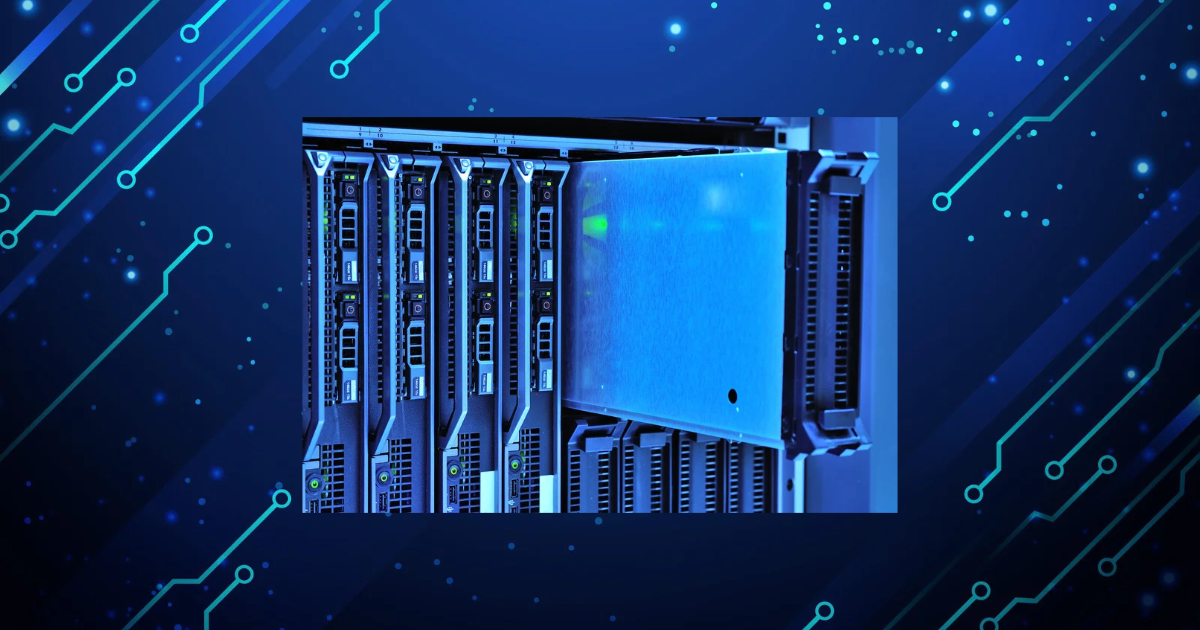
Edge computing brings data processing closer to users and devices
Pakistan
How Edge Computing Is Changing Modern Applications
If you process data right where the user is, everything changes. Real-time AI actually feels real-time, network bottlenecks disappear, and keeping sensitive info secure becomes a lot less painful.
By Zohaib khan— Technology Correspondent4 min read
Think about what happens when a piece of industrial machinery fails or a vehicle needs to avoid an unexpected obstacle. Those fractions of a second matter. Relying on distant cloud infrastructure introduces delays we can't afford, which raises a simple question: what if we stopped sending data away and started processing it right where it's born?
What is edge computing?
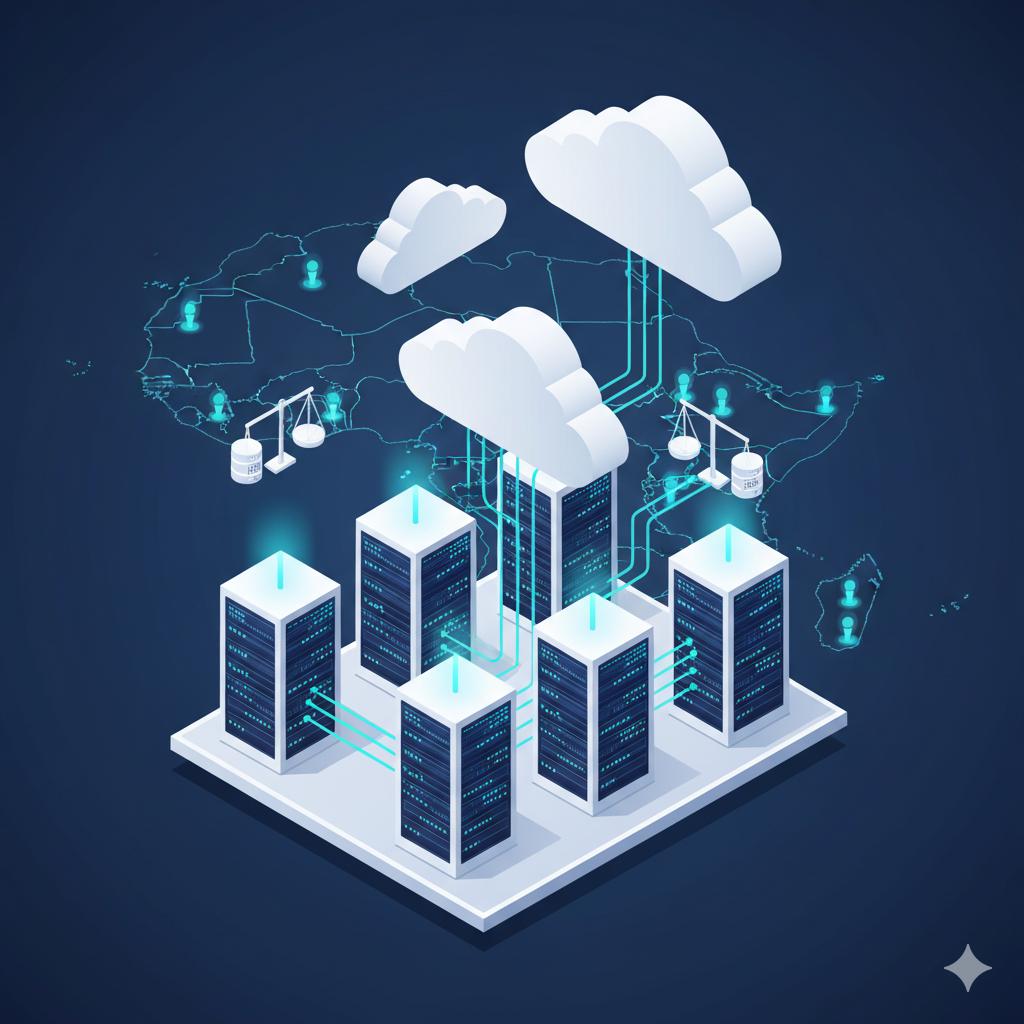
In practice, edge computing shifts compute, memory, and application logic out to the physical network boundary. Rather than relying on a classic client-to-cloud request cycle for every operation, edge architectures deploy lightweight compute engines directly on client hardware or local subnets. The central cloud is still there, but it offloads the time-critical, high-bandwidth workloads to the field, reserving centralized clusters for heavy data aggregation and long-term storage.
How modern applications are changing

Look at modern apps and you'll notice a clear pattern: nobody tolerates loading spinners anymore. Local processing gives you immediate UI feedback and on-the-fly analytics, but the hidden superpower is fault tolerance. If the internet drops out on a factory floor or a remote job site, the software still works. Add in the fact that your servers aren't melting under endless streams of raw data—and that sensitive customer info stays securely on the device instead of traveling across the web—and the architectural payoff speaks for itself.
Where edge computing is being used

When you look across industries, edge architecture isn't a theoretical upgrade—it’s already quietly handling mission-critical workloads:On the modern assembly line, high-speed cameras powered by local industrial NPUs scan engine blocks for microscopic cracks in milliseconds. In autonomous driving, automated emergency braking systems make life-or-death decisions directly on the car's chipset because a network drop cannot mean a missed brake command. Even in healthcare, insulin pumps and cardiac monitors run basic edge algorithms directly against patient skin, ensuring life-saving alerts fire whether there's cell reception or not. What’s coming next pushes this boundary further. We are transitioning from isolated local tasks to decentralized collaboration: think smart intersection hubs that coordinate autonomous vehicles dynamically, hospital patches that predict acute medical events before symptoms appear, and game engines running lightweight local AI models to power unscripted NPC dialogues without a cloud subscription. The pattern is consistent: if it demands sub-second reactions, bulletproof privacy, or fault tolerance, it's migrating to the edge.
Subscribe to our weekly newsletter
Get the week's top stories from Asia delivered to your inbox — free, once a week.
The challenges: Security, cost and complexity

It’s tempting to treat edge computing as an automatic win, but anyone running it in production knows the reality: managing ten thousand distributed micro-servers is infinitely harder than managing a clean cloud cluster.
First, physical security goes out the window. Your servers aren't locked in an AWS server room; they're mounted on traffic poles, strapped to forklifts, or sitting in consumer hands where anyone with a screwdriver can tamper with the hardware directly.
Then there’s the daily operational drag. Pushing a bad software update in the cloud takes five seconds to roll back. Push a flawed binary to thousands of deployed edge nodes on spotty cellular connections, and you risk bricking field units with no easy way to hit the reset button. Add in the tight budgets—both in hardware dollar costs and strict milliwatt power limits—and every single deployment becomes a delicate balancing act between computational horsepower, battery life, and cost. It’s an incredibly resilient paradigm, but you earn every single bit of that uptime the hard way.
First, physical security goes out the window. Your servers aren't locked in an AWS server room; they're mounted on traffic poles, strapped to forklifts, or sitting in consumer hands where anyone with a screwdriver can tamper with the hardware directly.
Then there’s the daily operational drag. Pushing a bad software update in the cloud takes five seconds to roll back. Push a flawed binary to thousands of deployed edge nodes on spotty cellular connections, and you risk bricking field units with no easy way to hit the reset button. Add in the tight budgets—both in hardware dollar costs and strict milliwatt power limits—and every single deployment becomes a delicate balancing act between computational horsepower, battery life, and cost. It’s an incredibly resilient paradigm, but you earn every single bit of that uptime the hard way.
The future: Edge AI and hybrid computing

For years, machine learning followed a rigid script: dumb edge devices scooped up raw inputs and punted them to warehouse-sized server farms for answers. That model is cracking under its own bandwidth bills and latency penalties.
Today, dedicated neural engines inside phones, security cameras, and factory robots run sophisticated inferencing on the spot. They make instant calls—transcribing audio, spotting assembly defects, or detecting obstacles—without a byte leaving the building.
But don’t write off the cloud just yet. The edge gives your system fast reflexes, but the cloud is its long-term memory. You still need massive centralized clusters to chew through petabytes of data for heavy model training. A local camera can spot an intruder, but it takes the cloud to aggregate patterns across 500 retail sites, spot coordinated theft rings, and retrain the model to push updated weights back down to the field. The future belongs to hybrid architectures where the edge acts instantly and the cloud plans strategically.
Today, dedicated neural engines inside phones, security cameras, and factory robots run sophisticated inferencing on the spot. They make instant calls—transcribing audio, spotting assembly defects, or detecting obstacles—without a byte leaving the building.
But don’t write off the cloud just yet. The edge gives your system fast reflexes, but the cloud is its long-term memory. You still need massive centralized clusters to chew through petabytes of data for heavy model training. A local camera can spot an intruder, but it takes the cloud to aggregate patterns across 500 retail sites, spot coordinated theft rings, and retrain the model to push updated weights back down to the field. The future belongs to hybrid architectures where the edge acts instantly and the cloud plans strategically.