‘It’s such a complex little area’: how to really look after your wrists
By Health Desk5 min read
It’s a bad time of year for wrists. Parents – and sometimes grandparents – full of enthusiasm and holiday cheer hop on their child’s new scooter or bike, keen to show said child how great the new toy is, and forget that gravity isn’t as kind to the body when we’re older. Falls happen, and wrists often take the brunt.
“It’s got its own name: ‘fall on an outstretched hand’,” says Brigette Evans, an occupational therapist at Bathurst Hand Therapy. As we fall, our instinct is to put our arms out in front of us to protect our body, face and head, and the wrist takes a lot of that force.
Understand the complexity of wrists
“The wrist is such a complex little area,” Evans says, as they have evolved to allow an extraordinary range of movement while also supporting a high level of fine motor control – the wrists mean we have the capacity to do both handstands and neurosurgery.
Composite of an archival drawing of a neck. Experts suggest stretches and gentle movements that can reduce tension in the neck.
‘Do not ignore your body’s signals’: how to really look after your neck
Read more
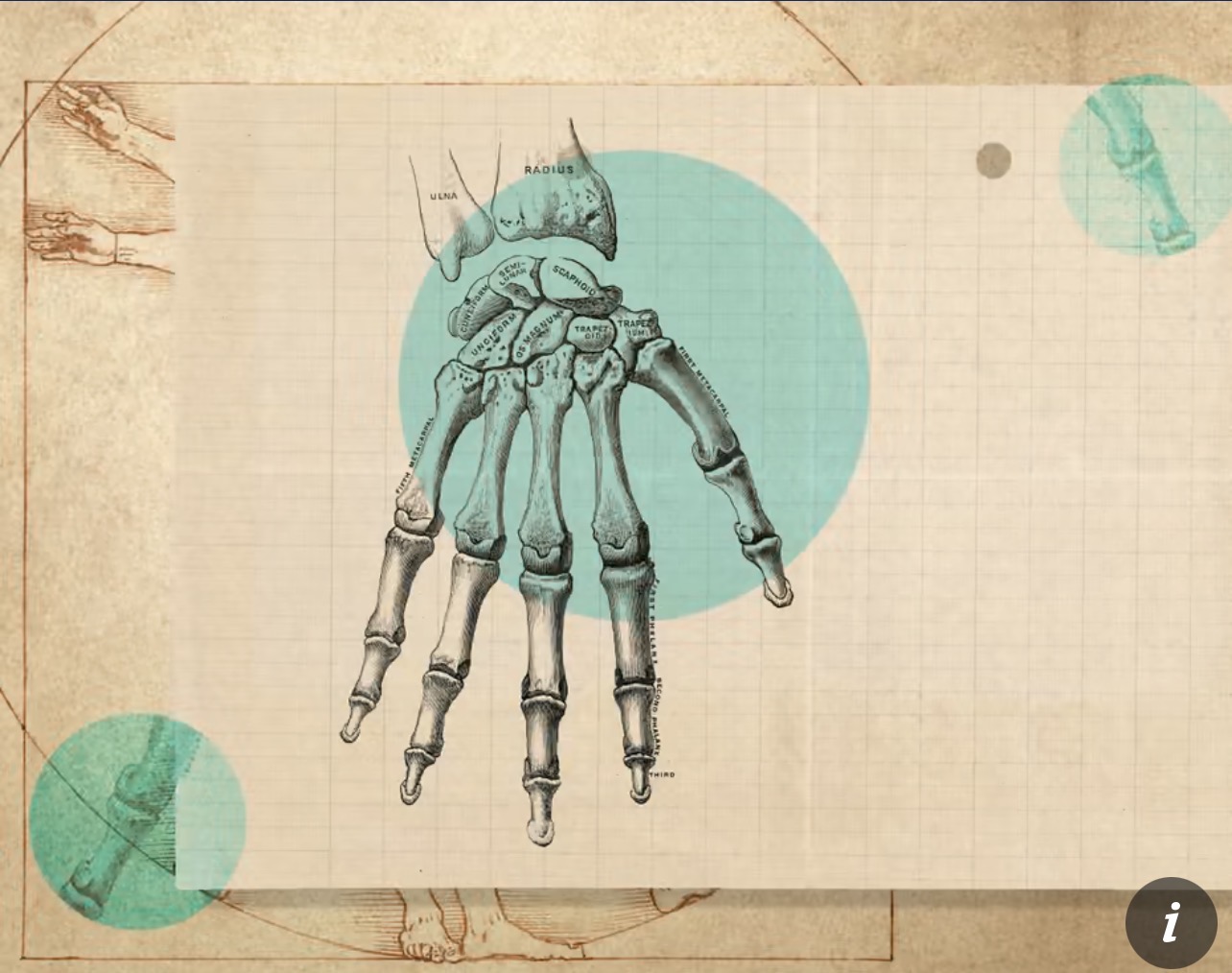
“It’s got eight little carpal bones – they’re the axis of the wrist – and then you’ve got your radius and your ulna, which are your two forearm bones, and then that joins in with your hand bones, your metacarpals,” Evans says. And all those smaller and larger bones are held together by ligaments, and interwoven throughout the whole complex are the tendons that connect the muscles of the hand and arm with the bones of the hand, wrist and arm. There is a lot that can go wrong.
Repetitive movements are the enemy
One common wrist condition that therapists see a lot of is called De Quervain tenosynovitis, which is sometimes called “mother’s thumb”, says physiotherapist Nicola Wheeler from Bondi Junction Hand Therapy. “It’s common in new parents, new grandparents, because of this position in lifting up under the arm, as well as feeding postures,” Wheeler says.
That new repetitive movement or position-holding is inevitable with a new baby – although it’s also seen with lots of scrolling or computer use – and it can irritate and inflame the two tendons that connect the arm muscles to the bones of the thumb. “Once they’re inflamed and thick, as they’re gliding through a tunnel, they get caught, lots of friction, and then that can be a cycle of that friction causing more inflammation,” Wheeler says.
The solution is to modify your movement to reduce the load on those tendons, using different lifting techniques – which Evans says are now taught by midwives and nurses to new parents and propping the baby up on pillows while feeding so the wrist doesn’t hold the entire weight at an unusual angle.
Don’t lift from the wrist
Because the wrist is a relatively delicate instrument, keeping it healthy is less about making it stronger and more about using it carefully, Wheeler says. “In a lot of situations, we’re trying to minimise wrist movement and actually train people to keep it very straight and stable, particularly when it’s with load,” she says.
That means not lifting from the wrist, but rather keep the wrist stable and instead using the larger load-bearing joints and muscles like the arm and shoulder. Wheeler likens it to the advice about lifting safely to avoid back injury: “Instead of that quick grab, really you should be setting ourselves using our muscles, and then using all these arm muscles to do the lifting.”
Limber up
Another common wrist complaint that most have heard of is carpal tunnel syndrome, which presents as tingling, numbness or weakness in the thumb and first two fingers. It’s caused by the median nerve, which extends from the neck to the hand, getting compressed as it passes through a passage in the wrist called the carpal tunnel. That compression can happen if the wrist is bent forward for a long time, like if we sleep with our hand tucked around against ourselves.
“If it’s been like that all night, then it’s common either to wake up through the night or in the morning with numbness and tingling,” Wheeler says. But it can also happen with poor position during computer use, or resting the wrist on a desk or hard surface for a long period of time.
So it’s also important to keep the wrist limber by breaking up periods of computer work with little stretches and rotations, Evans says. “Just getting up and moving your wrists in all the different directions that they that comfortably go in, and not holding them in a prolonged position.” For a stiff wrist in the morning, a gentle heat pack can go a long way to easing things up.
And stay off the kid’s scooter.
New Year dishes
The Feast app: your most useful kitchen utensil
A new year calls for trying new recipes. With over 7,000 to choose from, the Feast app puts world-class chefs right in your pocket. Plus smart features that make everyday cooking easier: build personalised recipe collections, create shopping lists, search smarter and cook hands-free with cook mode.
Whether you’re looking for:
•Meera Sodha’s Veganuary collection to kick off the year with fresh inspiration
•Nigel Slater’s simple meals for two, perfect for quiet nights in
•Winter cooking ideas for a crowd from Ravneet Gill and Mattie Taiano, made for cold evenings and second servings
•Felicity Cloake’s perfect versions of the classics you always come back to
… you’ll find all these and more in the Feast app.
“It’s got its own name: ‘fall on an outstretched hand’,” says Brigette Evans, an occupational therapist at Bathurst Hand Therapy. As we fall, our instinct is to put our arms out in front of us to protect our body, face and head, and the wrist takes a lot of that force.
Understand the complexity of wrists
“The wrist is such a complex little area,” Evans says, as they have evolved to allow an extraordinary range of movement while also supporting a high level of fine motor control – the wrists mean we have the capacity to do both handstands and neurosurgery.
Composite of an archival drawing of a neck. Experts suggest stretches and gentle movements that can reduce tension in the neck.
‘Do not ignore your body’s signals’: how to really look after your neck
Read more
“It’s got eight little carpal bones – they’re the axis of the wrist – and then you’ve got your radius and your ulna, which are your two forearm bones, and then that joins in with your hand bones, your metacarpals,” Evans says. And all those smaller and larger bones are held together by ligaments, and interwoven throughout the whole complex are the tendons that connect the muscles of the hand and arm with the bones of the hand, wrist and arm. There is a lot that can go wrong.
Repetitive movements are the enemy
One common wrist condition that therapists see a lot of is called De Quervain tenosynovitis, which is sometimes called “mother’s thumb”, says physiotherapist Nicola Wheeler from Bondi Junction Hand Therapy. “It’s common in new parents, new grandparents, because of this position in lifting up under the arm, as well as feeding postures,” Wheeler says.
That new repetitive movement or position-holding is inevitable with a new baby – although it’s also seen with lots of scrolling or computer use – and it can irritate and inflame the two tendons that connect the arm muscles to the bones of the thumb. “Once they’re inflamed and thick, as they’re gliding through a tunnel, they get caught, lots of friction, and then that can be a cycle of that friction causing more inflammation,” Wheeler says.
The solution is to modify your movement to reduce the load on those tendons, using different lifting techniques – which Evans says are now taught by midwives and nurses to new parents and propping the baby up on pillows while feeding so the wrist doesn’t hold the entire weight at an unusual angle.
Don’t lift from the wrist
Because the wrist is a relatively delicate instrument, keeping it healthy is less about making it stronger and more about using it carefully, Wheeler says. “In a lot of situations, we’re trying to minimise wrist movement and actually train people to keep it very straight and stable, particularly when it’s with load,” she says.
That means not lifting from the wrist, but rather keep the wrist stable and instead using the larger load-bearing joints and muscles like the arm and shoulder. Wheeler likens it to the advice about lifting safely to avoid back injury: “Instead of that quick grab, really you should be setting ourselves using our muscles, and then using all these arm muscles to do the lifting.”
Limber up
Another common wrist complaint that most have heard of is carpal tunnel syndrome, which presents as tingling, numbness or weakness in the thumb and first two fingers. It’s caused by the median nerve, which extends from the neck to the hand, getting compressed as it passes through a passage in the wrist called the carpal tunnel. That compression can happen if the wrist is bent forward for a long time, like if we sleep with our hand tucked around against ourselves.
“If it’s been like that all night, then it’s common either to wake up through the night or in the morning with numbness and tingling,” Wheeler says. But it can also happen with poor position during computer use, or resting the wrist on a desk or hard surface for a long period of time.
So it’s also important to keep the wrist limber by breaking up periods of computer work with little stretches and rotations, Evans says. “Just getting up and moving your wrists in all the different directions that they that comfortably go in, and not holding them in a prolonged position.” For a stiff wrist in the morning, a gentle heat pack can go a long way to easing things up.
And stay off the kid’s scooter.
New Year dishes
The Feast app: your most useful kitchen utensil
A new year calls for trying new recipes. With over 7,000 to choose from, the Feast app puts world-class chefs right in your pocket. Plus smart features that make everyday cooking easier: build personalised recipe collections, create shopping lists, search smarter and cook hands-free with cook mode.
Whether you’re looking for:
•Meera Sodha’s Veganuary collection to kick off the year with fresh inspiration
•Nigel Slater’s simple meals for two, perfect for quiet nights in
•Winter cooking ideas for a crowd from Ravneet Gill and Mattie Taiano, made for cold evenings and second servings
•Felicity Cloake’s perfect versions of the classics you always come back to
… you’ll find all these and more in the Feast app.