The Tribune’s view on inclusive schools: ministers should recognise that class size matters
By Elif Sonker3 min read

There is no single, ideal class size – just as there is no one model of the perfect teacher. But as school‑age audiences of Matilda the Musical or the Harry Potter films can testify, UK classrooms usually have more children in them than fictional ones. What these young people probably do not know is that their classrooms are also fuller than many real ones abroad. A report from the Organisation for Economic Co-operation and Development found that the UK has some of the largest primary groups in the industrialised world.
Does this matter, and how much? For many parents and teachers, it is common sense that smaller classes are preferable – as long as they are small by design and not because the school is an unpopular, unsuccessful one. The far lower pupil-teacher ratio of independent schools is widely viewed as giving their pupils an advantage over state-educated peers.
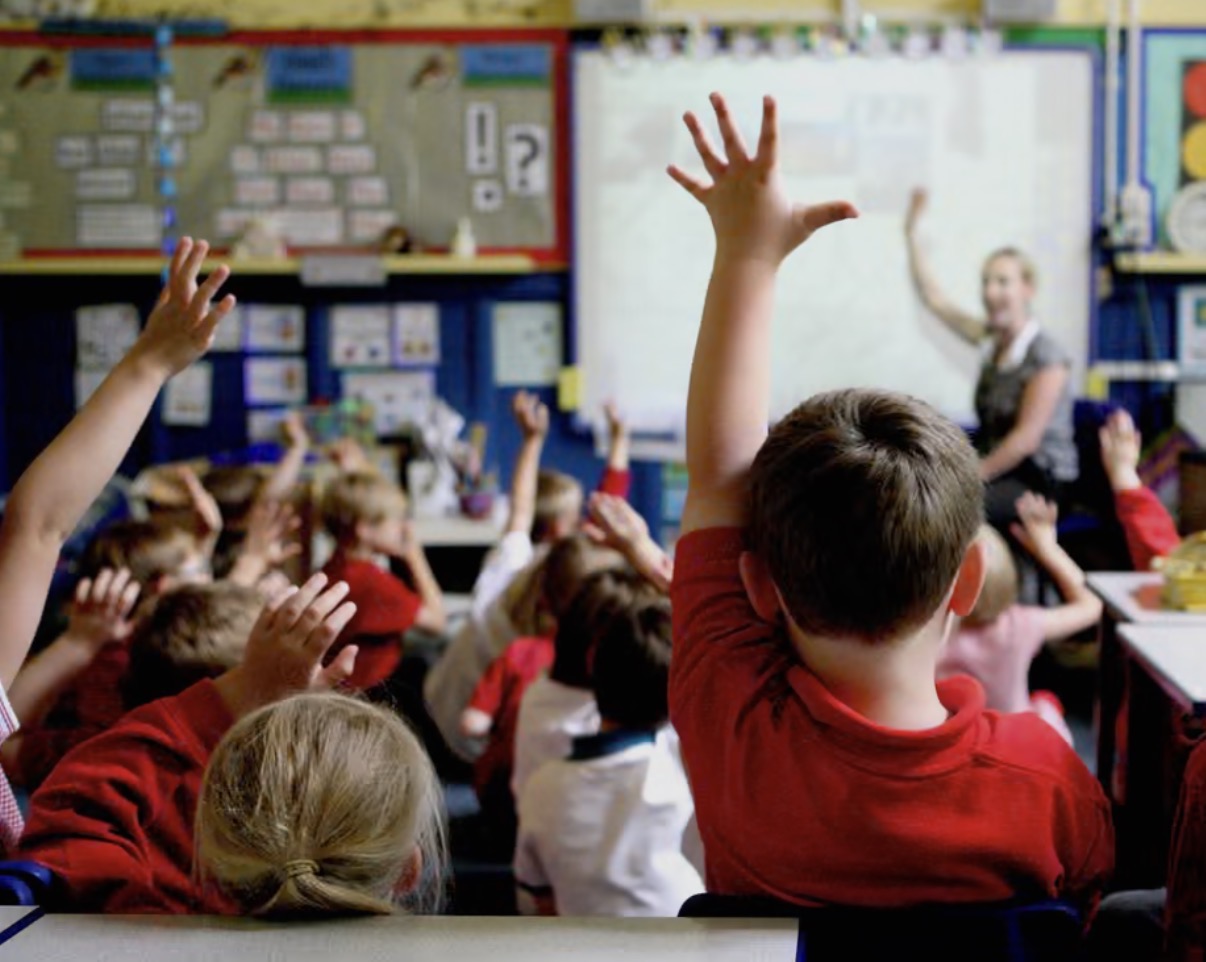
Pupils raise their hands to answer a teacher’s question
Why smaller class sizes are not always the answer | Letters
Read more
For academics and policymakers, the situation is less clear cut. Under Tony Blair, Labour reduced class sizes for four- to seven-year-olds in England to a maximum of 30. But the uncertain results of research aimed at testing the effect of class size on attainment has meant that there is no consensus that reducing numbers further would be beneficial. In fact, the shrinking classes resulting from a falling birthrate are mostly seen as a problem – with the administrations in the devolved nations facing similar pressures. With school budgets stretched due to reduced per-pupil funding, cuts and closures are expected.
School children in a classroom.
We’ve seen the benefits smaller class sizes bring | Letters
Read more
The expectation in England is that some of the spare capacity will become part of a reformed Send (special educational needs and disabilities) system, as well as allowing new nursery classes to open. Ministers have pledged to create 50,000 new specialist places. But so far there is no indication that their policy of making mainstream education more inclusive will involve smaller classes – even in primary schools where the decline in “school readiness” among four-year-olds has increased the challenges facing reception-class teachers.
Until their white paper is published, we do not know the detail of Labour’s plans. Send families and charities supporting them are on high alert for changes that would see children’s existing entitlements eroded. But teachers, headteachers and their unions are right to push for smaller classes to be considered – and research by Prof Peter Blatchford and others supports their case. Even if they do not boost maths or English scores, these academics argue, smaller groups bring other benefits, particularly for Send pupils who are most disadvantaged in big classes.
When 25 rather than 30 children are in a classroom, there is a more attention to go round – and more scope for the interactions that stimulate learners. Problems with staff retention could also be expected to ease if workloads, including marking, were more manageable.
The UK is unusual in that primary classes tend to be larger than secondary ones. With an average of 26.6 pupils in 2024, now would be a good moment for ministers to relax funding rules so that a reduction in numbers does not automatically see budgets slashed. There needs to be flexibility, and recognition of the role of teaching assistants. High-quality specialist provision and training needs to increase as well. But if a more inclusive system is the goal, falling numbers should be viewed not as a problem but as an opportunity to be grabbed.
Does this matter, and how much? For many parents and teachers, it is common sense that smaller classes are preferable – as long as they are small by design and not because the school is an unpopular, unsuccessful one. The far lower pupil-teacher ratio of independent schools is widely viewed as giving their pupils an advantage over state-educated peers.
Pupils raise their hands to answer a teacher’s question
Why smaller class sizes are not always the answer | Letters
Read more
For academics and policymakers, the situation is less clear cut. Under Tony Blair, Labour reduced class sizes for four- to seven-year-olds in England to a maximum of 30. But the uncertain results of research aimed at testing the effect of class size on attainment has meant that there is no consensus that reducing numbers further would be beneficial. In fact, the shrinking classes resulting from a falling birthrate are mostly seen as a problem – with the administrations in the devolved nations facing similar pressures. With school budgets stretched due to reduced per-pupil funding, cuts and closures are expected.
School children in a classroom.
We’ve seen the benefits smaller class sizes bring | Letters
Read more
The expectation in England is that some of the spare capacity will become part of a reformed Send (special educational needs and disabilities) system, as well as allowing new nursery classes to open. Ministers have pledged to create 50,000 new specialist places. But so far there is no indication that their policy of making mainstream education more inclusive will involve smaller classes – even in primary schools where the decline in “school readiness” among four-year-olds has increased the challenges facing reception-class teachers.
Until their white paper is published, we do not know the detail of Labour’s plans. Send families and charities supporting them are on high alert for changes that would see children’s existing entitlements eroded. But teachers, headteachers and their unions are right to push for smaller classes to be considered – and research by Prof Peter Blatchford and others supports their case. Even if they do not boost maths or English scores, these academics argue, smaller groups bring other benefits, particularly for Send pupils who are most disadvantaged in big classes.
When 25 rather than 30 children are in a classroom, there is a more attention to go round – and more scope for the interactions that stimulate learners. Problems with staff retention could also be expected to ease if workloads, including marking, were more manageable.
The UK is unusual in that primary classes tend to be larger than secondary ones. With an average of 26.6 pupils in 2024, now would be a good moment for ministers to relax funding rules so that a reduction in numbers does not automatically see budgets slashed. There needs to be flexibility, and recognition of the role of teaching assistants. High-quality specialist provision and training needs to increase as well. But if a more inclusive system is the goal, falling numbers should be viewed not as a problem but as an opportunity to be grabbed.