Cockroach protests: parents of Indian students who took their own lives reveal pressure of leaked exam papers and resits
By Cheena Kapoor4 min read
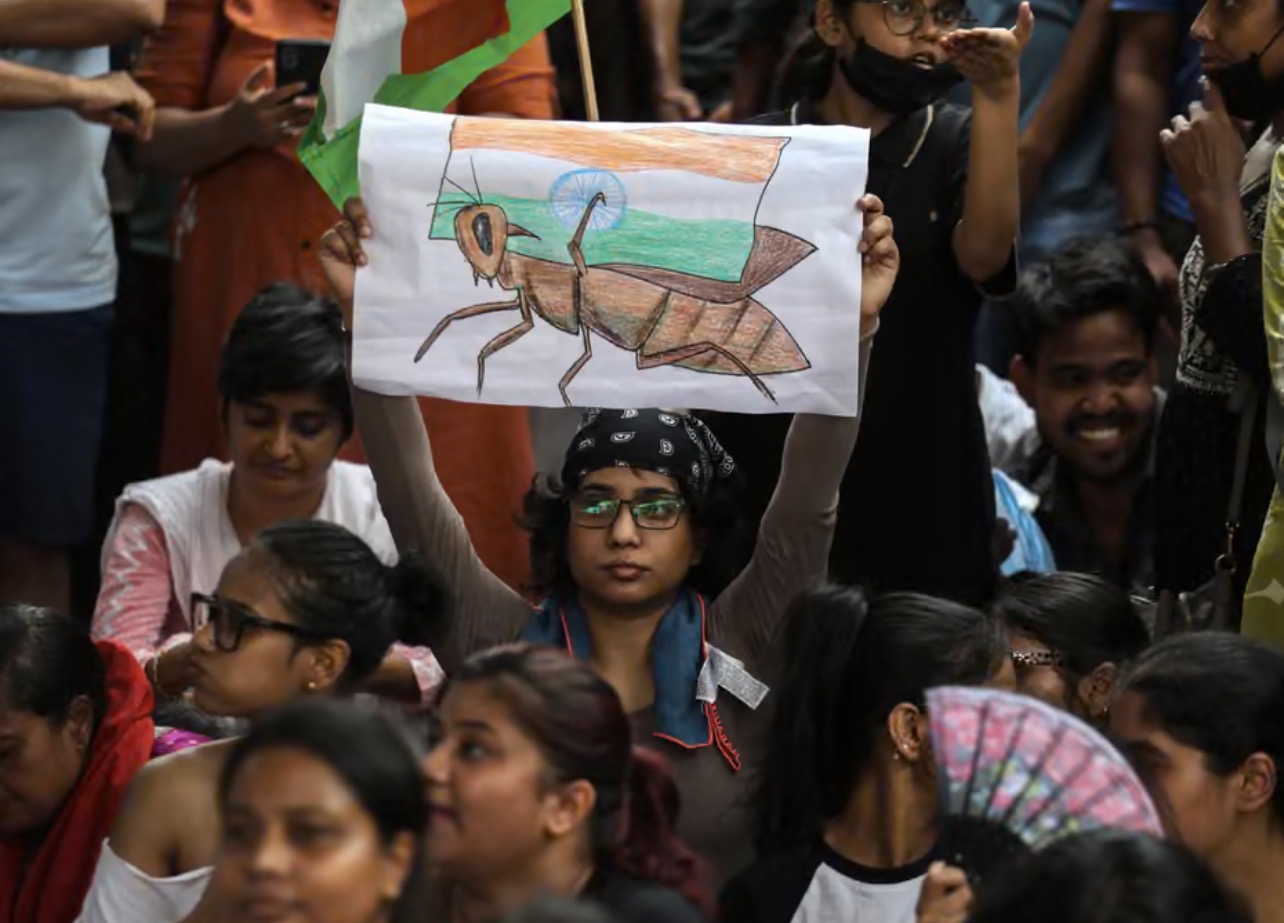
When the Indian government announced the resignation of its education minister in late July after weeks of protest, there were widespread celebrations. Students from across the country had joined the mass demonstrations led by the Cockroach Janta party amid growing resentment over repeated examination cancellations and question paper leaks.
The pressure of exams in the country has only increased in recent years. The number of student suicides rose from 8,068 in 2014, to 14,488 in 2024 – an increase of roughly 80% – according to the Accidental Deaths and Suicides in India report released by the country’s National Crime Records Bureau. After family problems, failure in examinations has been listed as the leading cause of suicides among students.
For families who say they lost their children to education system mismanagement and examination scandals, watching the protest scenes unfold on television came with mixed feelings. Some were happy that future students may be spared the same fate; others questioned why it had taken so long.
The Asia Tribune spoke to four families about what happened to their children and how they feel today. “Anshika was deeply hurt. She had been hoping to enter college this year and was happy with the exam she had taken. Still, after cancellation, when I tried to console her, all she lamented was how could she hope to give another good exam,” says her father, Indradhar Pandey, a cab driver in Delhi.
Anshika remained calm and performed her household duties and engaged with everyone normally. But two days later, on 14 May, when everyone had left for work and her twin sister and younger brother were napping, she hanged herself.
Anshika’s dream had been to move her family, especially her siblings, from the slum where they lived. Her younger sister, Pragati, hopes to fulfil that dream and reminisces about how the two sisters had talked about it several times.
Anshika’s sketches and positive messages and mantra chants on the walls of their home, which she wrote to motivate herself, are now the memories her family is refusing to let go. Before leaving the house on the morning of 25 October 2024, Sufi Shaheen straightened her hair and put on her favourite jeans. As she left, she asked her mother for 10 rupees (8p), unlike other days when she would ask for 100. Then she headed for her joint entrance examination (Jee) lesson.
Her mother, Sultana Khatoon, asked her why she was leaving the house on an empty stomach. Shaheen replied she would be back soon. Twenty minutes later, she jumped from the seventh floor of a tutoring centre, about a mile away from her home.
It has been almost two years since she died, but Khatoon has not recovered from that day. She is being treated for severe depression and bouts of headaches.
“She was my only daughter of the four children and more like a friend. Every time I stepped out of the house, she would help me get ready. Even though she was deeply passionate about studying and becoming an engineer, she also loved dressing up and made everyone in the house do it too,” says Khatoon, as she looks through her daughter’s school photos. Living with her parents and three brothers on her father’s modest income as a technical engineer, Shaheen had dreamed of becoming a software engineer and “excelling even more than the boys in her community”, says her mother.
A quick learner and highly motivated, Shaheen taught herself to draw and paint, and even learned to speak Japanese and Korean. But she had been stressed for several months and feared not being able to clear her second attempt at the national engineering entrance exam in January 2025.
When India’s National Testing Agency made changes to the Jee exam syllabus, Shaheen couldn’t sleep for days. She remained stressed, cried when talking to her brother and her best friend on the phone, and wrote a note to her parents in which she apologised and asked her younger brother, Masoom, to make their dreams come true.
“Almost two years later, Masoom was ranked 188th in the whole of India in his CUET [common university entrance test]. But we do not have Shaheen to celebrate this with,” says Khatoon.
The pressure of exams in the country has only increased in recent years. The number of student suicides rose from 8,068 in 2014, to 14,488 in 2024 – an increase of roughly 80% – according to the Accidental Deaths and Suicides in India report released by the country’s National Crime Records Bureau. After family problems, failure in examinations has been listed as the leading cause of suicides among students.
For families who say they lost their children to education system mismanagement and examination scandals, watching the protest scenes unfold on television came with mixed feelings. Some were happy that future students may be spared the same fate; others questioned why it had taken so long.
The Asia Tribune spoke to four families about what happened to their children and how they feel today. “Anshika was deeply hurt. She had been hoping to enter college this year and was happy with the exam she had taken. Still, after cancellation, when I tried to console her, all she lamented was how could she hope to give another good exam,” says her father, Indradhar Pandey, a cab driver in Delhi.
Anshika remained calm and performed her household duties and engaged with everyone normally. But two days later, on 14 May, when everyone had left for work and her twin sister and younger brother were napping, she hanged herself.
Anshika’s dream had been to move her family, especially her siblings, from the slum where they lived. Her younger sister, Pragati, hopes to fulfil that dream and reminisces about how the two sisters had talked about it several times.
Anshika’s sketches and positive messages and mantra chants on the walls of their home, which she wrote to motivate herself, are now the memories her family is refusing to let go. Before leaving the house on the morning of 25 October 2024, Sufi Shaheen straightened her hair and put on her favourite jeans. As she left, she asked her mother for 10 rupees (8p), unlike other days when she would ask for 100. Then she headed for her joint entrance examination (Jee) lesson.
Her mother, Sultana Khatoon, asked her why she was leaving the house on an empty stomach. Shaheen replied she would be back soon. Twenty minutes later, she jumped from the seventh floor of a tutoring centre, about a mile away from her home.
It has been almost two years since she died, but Khatoon has not recovered from that day. She is being treated for severe depression and bouts of headaches.
“She was my only daughter of the four children and more like a friend. Every time I stepped out of the house, she would help me get ready. Even though she was deeply passionate about studying and becoming an engineer, she also loved dressing up and made everyone in the house do it too,” says Khatoon, as she looks through her daughter’s school photos. Living with her parents and three brothers on her father’s modest income as a technical engineer, Shaheen had dreamed of becoming a software engineer and “excelling even more than the boys in her community”, says her mother.
A quick learner and highly motivated, Shaheen taught herself to draw and paint, and even learned to speak Japanese and Korean. But she had been stressed for several months and feared not being able to clear her second attempt at the national engineering entrance exam in January 2025.
When India’s National Testing Agency made changes to the Jee exam syllabus, Shaheen couldn’t sleep for days. She remained stressed, cried when talking to her brother and her best friend on the phone, and wrote a note to her parents in which she apologised and asked her younger brother, Masoom, to make their dreams come true.
“Almost two years later, Masoom was ranked 188th in the whole of India in his CUET [common university entrance test]. But we do not have Shaheen to celebrate this with,” says Khatoon.