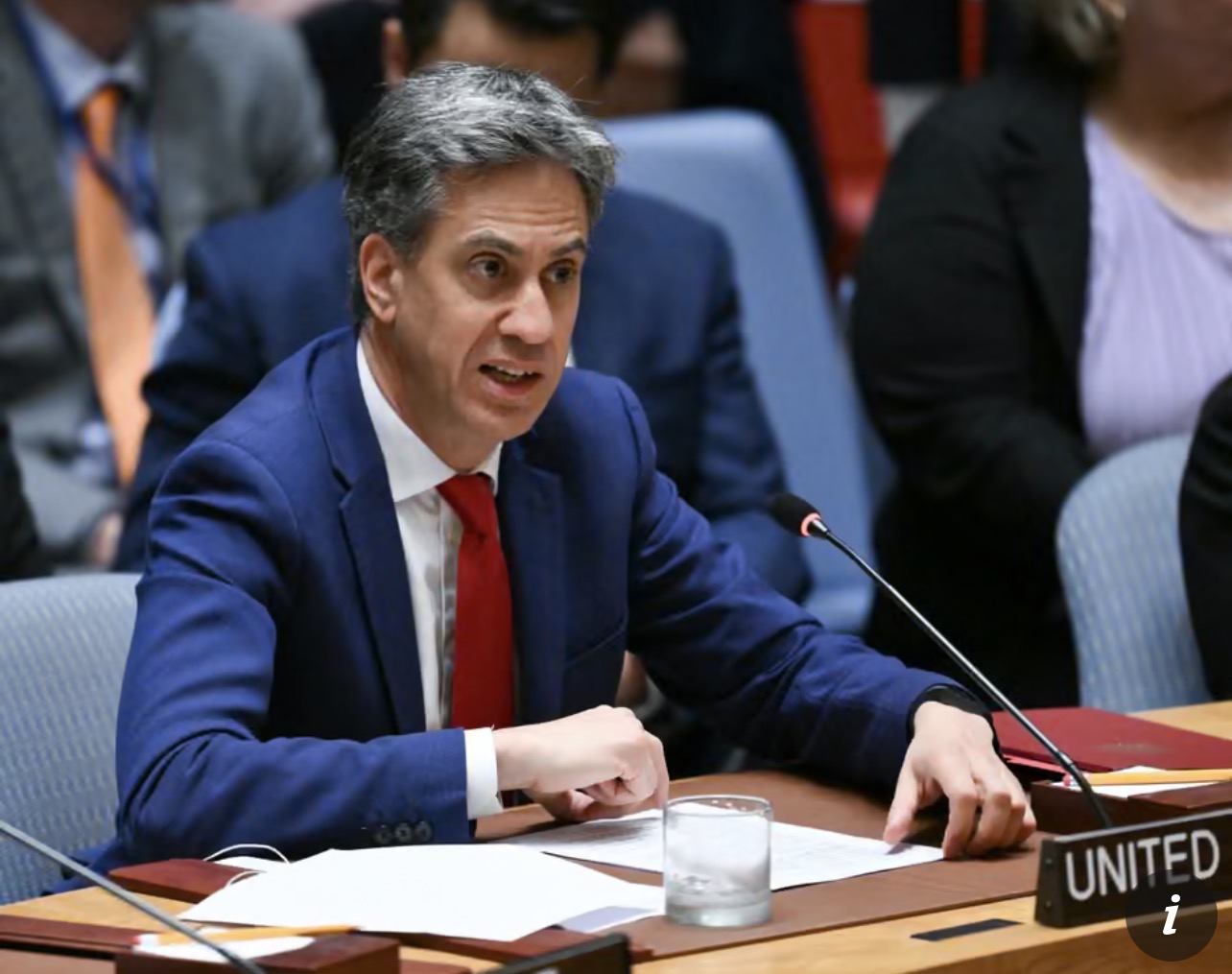

The United Nations COP31 climate summit in Türkiye ended in a dramatic deadlock on Sunday after deep divisions over fossil fuels prevented countries from reaching consensus on the conference’s principal agreement.
The European Union, the United Kingdom and several developing nations rejected the proposed Antalya Pact, arguing that its failure to explicitly address fossil fuels undermined the urgency of the global climate crisis.Speaking on behalf of the EU, Ireland’s Environment Minister Darragh O’Brien said the proposed agreement had failed to meet the moment and did not adequately reflect scientific evidence or the action required to limit global warming.
The central disagreement concerned the absence of a commitment to transition away from fossil fuels, despite more than 130 countries calling for such language in the final agreement.
Drafted under the joint Turkish and Australian presidencies, the Antalya Pact called for greater electrification of economies, increased financial support from wealthier nations to help developing countries adapt to climate impacts, and efforts to minimise the overshoot of the 1.5°C global warming threshold established under the Paris Agreement.
However, disagreements over carbon capture and storage technology further complicated negotiations, with critics warning that its inclusion could allow continued dependence on fossil fuels.
The summit, originally scheduled to conclude on Friday, continued into Sunday, making it the longest climate conference on record. Despite efforts by the presidencies to secure an agreement, the proposed text failed to obtain the consensus required for adoption.
COP31 President Murat Kurum acknowledged the impasse, confirming that the proposed cover decision had not been adopted because several parties remained opposed to its provisions.
While the main agreement collapsed, countries managed to approve decisions on other matters, including a just transition framework aimed at supporting workers and communities dependent on high-carbon industries as economies move towards cleaner energy.
Pakistan, meanwhile, defended the broader package of climate commitments, cautioning against allowing disagreements over individual provisions to undermine wider progress.
Addressing the conference, Pakistan argued that objections to certain elements of the pact should not result in the abandonment of the entire agreement, stressing that climate action could not be treated as a selective process.
The position highlighted the divisions within the developing world, where countries face mounting climate vulnerabilities but also require international financing, technology transfer and support for a just energy transition.
The collapse of the Antalya Pact has exposed persistent disagreements between developed and developing countries over fossil fuel commitments, climate finance and the responsibilities of major economies.
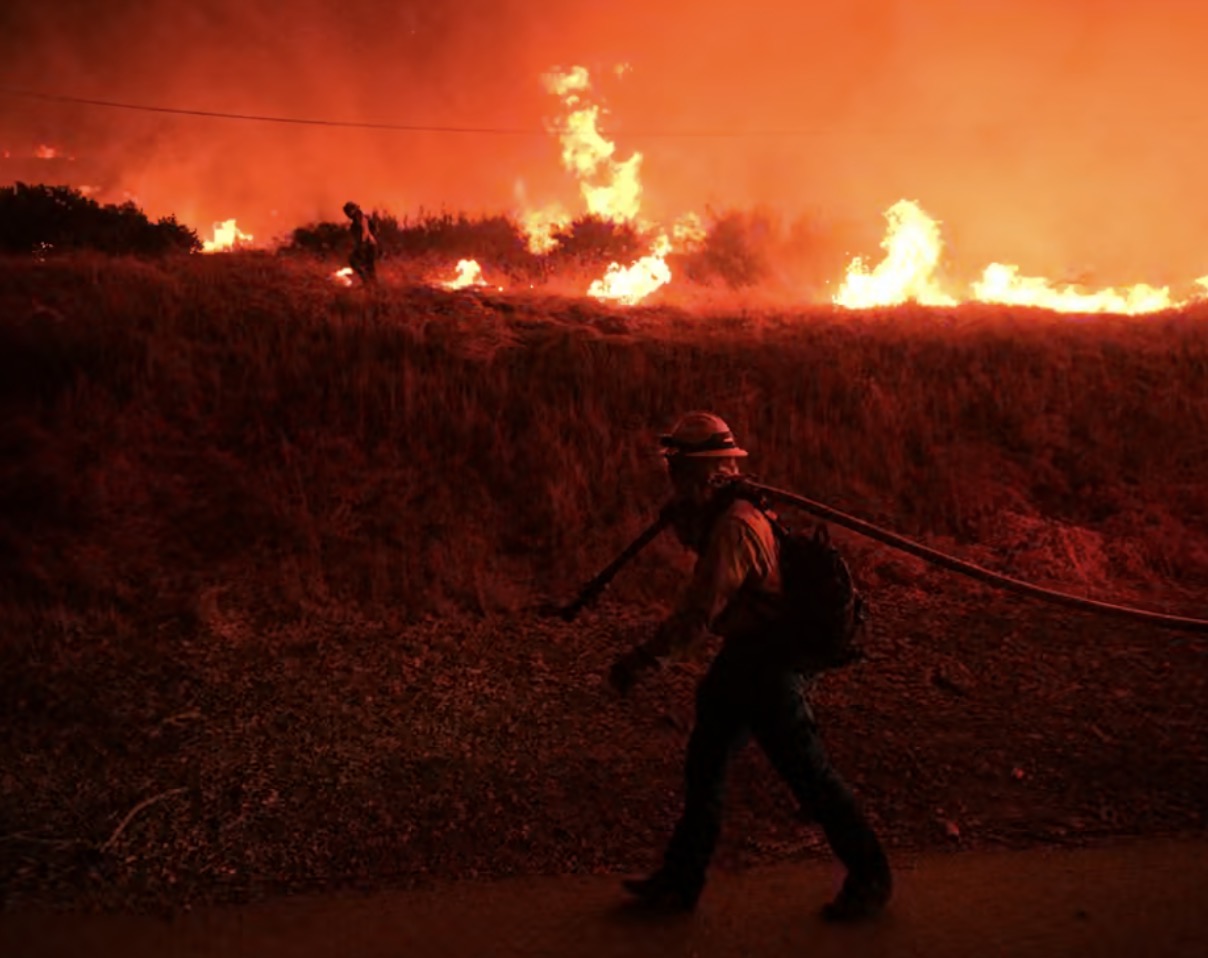
With climate-related disasters intensifying and the 1.5°C threshold increasingly under pressure, the failure to secure a comprehensive agreement raises fresh questions about the ability of international climate negotiations to translate political commitments into meaningful action.
Subscribe to our weekly newsletter
Get the week's top stories from Asia delivered to your inbox — free, once a week.