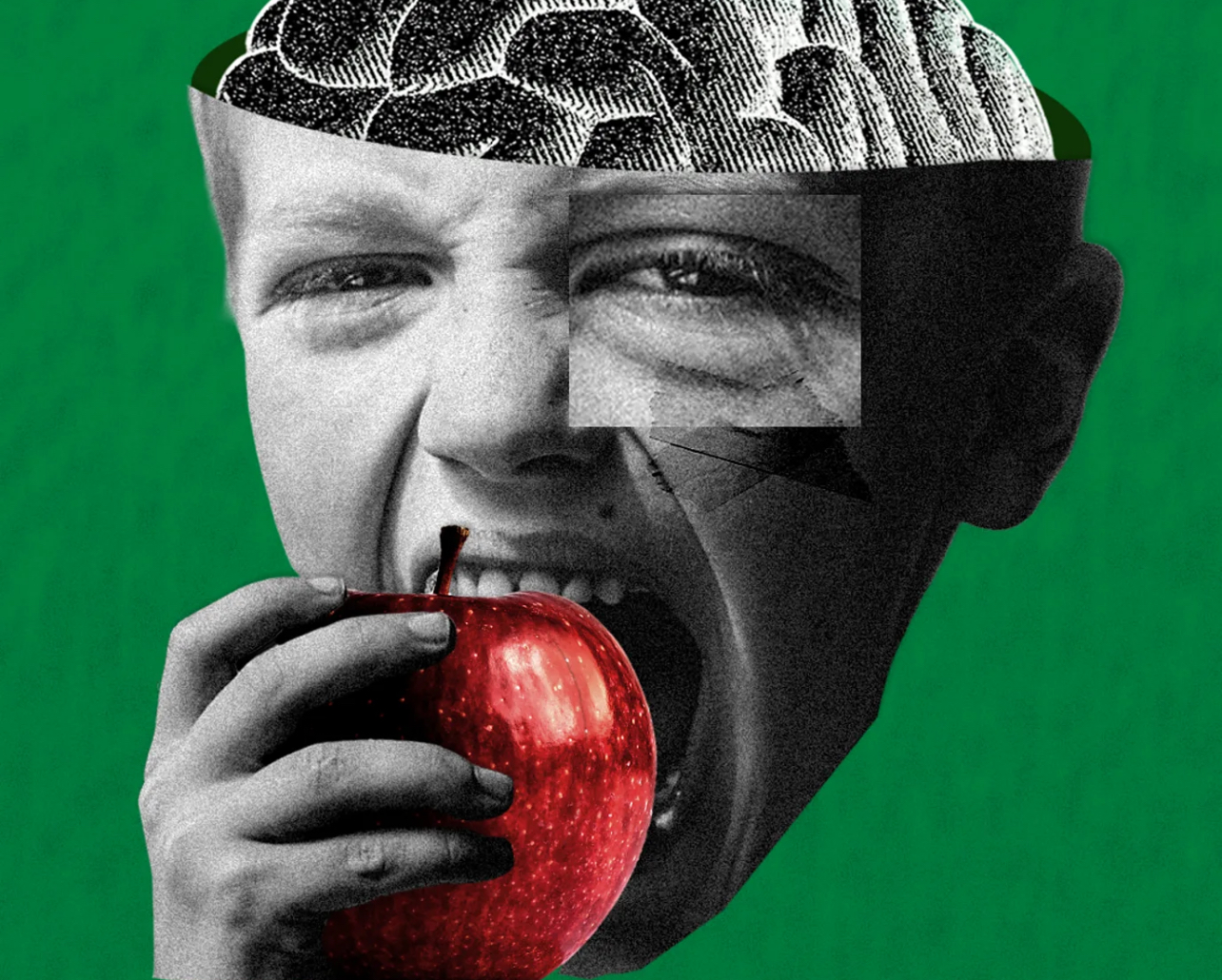
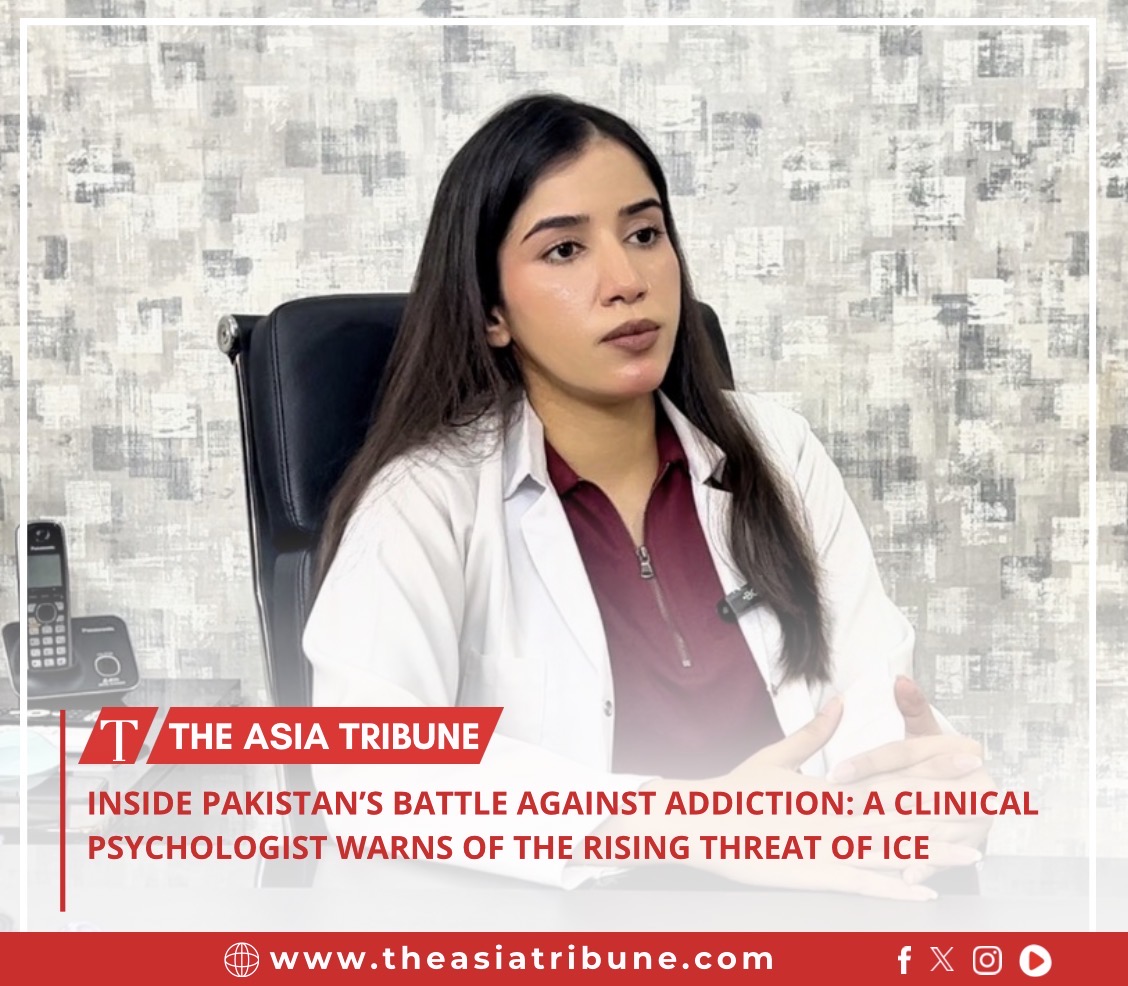
Inside Pakistan’s Battle Against Addiction: A Clinical Psychologist Warns of the Rising Threat of Ice
By Muhammad Zohaib & Anique Butt | Lahore Bureau2 min read
Pakistan’s battle against substance abuse is becoming increasingly complex, with mental health professionals warning that synthetic drugs are driving a new wave of addiction, particularly among young people.
In an exclusive interview with The Asia Tribune, Muhammada Mutahir, a clinical psychologist at Lahore Rehab and Wellness Center, said Ice (crystal methamphetamine) has become the most common substance encountered in rehabilitation. Based on clinical observations at the centre, the psychologist estimated that around 70 to 80 percent of patients seeking treatment are struggling with Ice addiction.
The psychologist said addiction often develops gradually, making early check and balance by parents, teachers, and guardians essential. Sudden changes in behaviour, declining academic performance, social isolation, and unusual spending patterns should not be ignored, as they may indicate the early stages of substance abuse.
According to the psychologist, strong family relationships remain one of the most effective safeguards against addiction. Open communication, emotional support, and trust can encourage individuals to seek help before dependency becomes severe and can also improve the chances of long-term recovery.
The interview also highlighted the importance of expanding government rehabilitation facilities and improving access to mental health services. Greater public awareness, the psychologist argued, is equally important in reducing the stigma surrounding addiction and encouraging people to seek professional treatment.
Beyond illegal drugs, the psychologist warned about the growing influence of weight-loss myths circulating on social media. Many young people, particularly teenagers and university students, are exposed to unrealistic body image standards and misleading advice that can lead to unhealthy dieting, psychological distress, and harmful behaviours.
Students were identified as another vulnerable group. Academic pressure, uncertainty about career prospects, and social expectations can contribute to anxiety and depression, increasing the risk that some individuals may experiment with nicotine products, vaping, or other substances as a coping mechanism.
Addressing the rise in vaping, the psychologist cautioned that e-cigarettes are not without risk. The aerosol produced by vaping devices contains chemicals that pass through the windpipe into the lungs, where they may damage delicate respiratory tissue and contribute to long-term health complications.
The psychologist concluded that addiction should be understood as a medical and psychological condition rather than a moral failing. Early intervention, family support, accessible treatment, and public awareness, the psychologist said, remain the strongest tools in preventing addiction and helping people rebuild their lives.
Subscribe to our weekly newsletter
Get the week's top stories from Asia delivered to your inbox — free, once a week.