Go to 221B Baker Street and the Sherlock Holmes fans you meet there will be American, not British – and while the BBC’s Sherlock might be the most famous Holmes revival on TV this century, the US has us beat when it comes to volume. Stateside telly responded to Sherlockmania with Elementary, which relocated Jonny Lee Miller’s Holmes to New York and made Watson and Moriarty female, but was in many ways a more faithful sleuthfest than the overblown Benedict Cumberbatch show and ran for scores more episodes. Long before that, the biggest drama in the world was House, which was set in a hospital but featured a mercurial genius solving baffling mysteries – once the House-Home-Holmes penny dropped, you knew you were watching Sherlock in disguise.
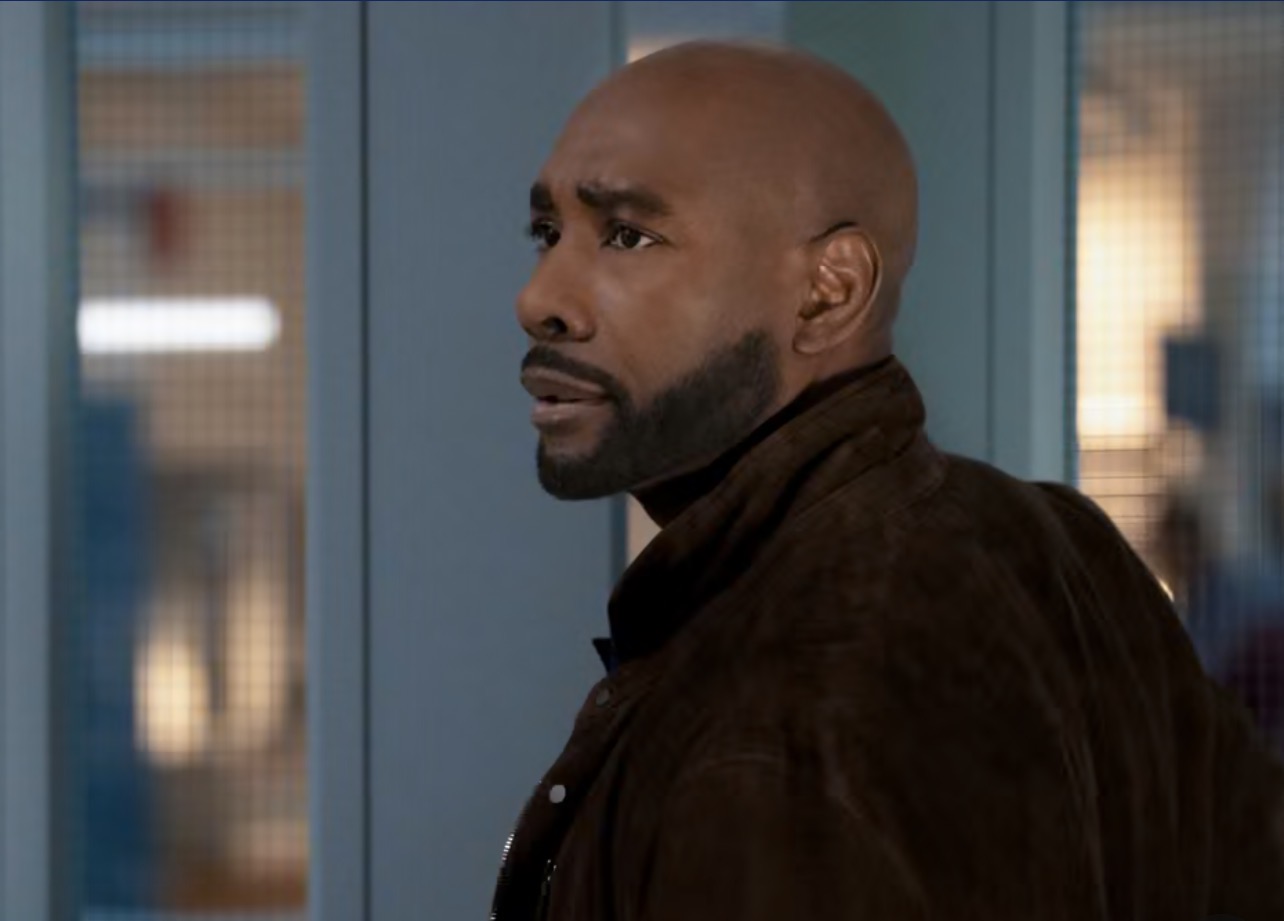
Watson is the latest attempt by US network television to keep the Conan Doyle canon firing, and it’s a straight cross between House and Elementary. Morris Chestnut is Dr John Watson, who is an American practising medicine in present-day Pittsburgh, but is also a war veteran who, when the show aired its first season last year, had just finished a stint cracking crimes in London with Sherlock Holmes. Showrunner Craig Sweeny, formerly a writer/producer on Elementary, gave his new Watson a litter of eager doctor pups who, like the gang who used to trail around behind Dr House, were always a step behind their boss when it came to working out which arcane condition was about to kill that week’s patient.Season one began with an episode where Watson said both “The game’s afoot” and the line about the answer being what remains once the impossible explanations have been eliminated; from there it regularly fed Sherlockians little treats, with appearances by Irene Adler, Inspector Lestrade, Mycroft Holmes and, in an episode that told us exactly how seriously to take all this, an auditory hallucination of Sherlock himself caused by Watson going off his meds, with the voice of Sherlock provided by Matt Berry. For the real Holmes heads, a relatively minor character on the page is promoted to the regular cast here: off-books source/fixer Shinwell Johnson is Watson’s aide, played by Ritchie Coster as a growling hard nut with a heart of gold and an eye on whatever Guy Ritchie’s next project is.
The first run’s major story arc, a blackmail plot orchestrated by Moriarty (Randall Park), ended with Watson killing Moriarty and, finally, moving on from his ex-wife Mary Morstan (Rochelle Aytes) by getting himself a new girlfriend. Could it be time for the series to ditch the fan-pleasing references and become more than just another trudge around the Sherlock Holmes museum?
As a House-style medical case-of-the-week show, Watson works well. Most of its charms are embodied by Chestnut as the titular doctor-detective: forever flawless in expensive cotton and linen, he gives the impression he could lift you on to a counter-top with one arm and smell divine while doing it. He is, indeed, enjoying some tastefully lit, high thread-count horizontal time when his phone goes and it’s Mary, reporting that the show has indulged in a classic season-opener stakes-raiser. Mary’s own mother has had a funny turn while baking, and is arriving in an ambulance soon.
Tasked with saving his ex-mother-in-law, Watson schools his team by finding the most likely cause on the initially available facts – Mom makes her own bitter almond extract, which might have given her cyanide poisoning – before shifting into hunky listener mode when the patient develops a rapid memory loss that causes her to believe she is a younger version of herself. When the old woman’s memories, her changing physical symptoms and Watson’s incredible ability to uncover obscure documentary evidence all interact, they throw up a shamelessly emotional story that provokes the same warm, thick tears as a good episode of Long Lost Family. The junior doctors have romances and other soapy personal issues to top up the schmaltz. It’s solid weekly-procedural fare, with the odd flash of naughty wit: an otherwise expositional scene featuring the shaven-headed Shinwell is livened up by filming him standing in front of shelves full of the gleaming busts used to teach med students about different skull shapes.
And then, as the end credits are just about to roll and we’re ready to forget any of this ever happened, up pops Robert Carlyle as … Sherlock Holmes! Just like Moriarty in season one, his plunge from the Reichenbach Falls has not killed him and here he is, in Pittsburgh, to become the millionth screen version of the world’s favourite crime-solver. The uneasy mix of medical drama and Holmes worship is set to continue. Perhaps it was unreasonable to hope a show in the Sherlock universe might tick off every other main character and ignore the man himself … but it was nice while it lasted.
Watson aired on Sky Witness and is available on NOW in the UK, and Paramount in Australia.
Subscribe to our weekly newsletter
Get the week's top stories from Asia delivered to your inbox — free, once a week.