Whether or not Trump invades Greenland, this much is clear: the western order we once knew is history
By Zohaib4 min read
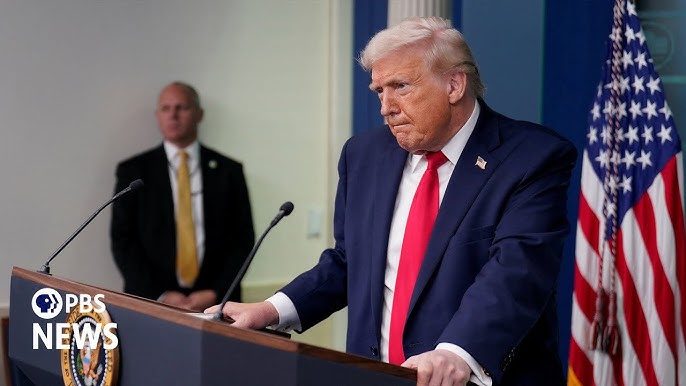
Donald Trump is threatening to take over Greenland, the territory of a Nato ally, possibly by military force, as Vladimir Putin is trying to take over Ukraine. Even if he doesn’t actually do it, this is a new era: a post-western world of illiberal international disorder.
The task now for liberal democracies in general, and Europe in particular, is twofold: to see this world as it is and to work out what the hell we’re going to do about it.
A global public opinion poll published today is a useful starting point. It was conducted last November in 21 countries for the European Council on Foreign Relations, in partnership with our Europe in a Changing World research project at the University of Oxford (and do please read the full report, which I have written with Ivan Krastev and Mark Leonard). This is the fourth in a series of polls we’ve done every year since Putin’s full-scale invasion of Ukraine in 2022, so we can see how things have evolved from very bad then to critical now.
Back in 2022, we found a transatlantic west united in outrage at the full-scale invasion of Ukraine but divided from other great and middle powers, such as China, India and Turkey, who were quite happy to go on doing business as usual with Russia. The Russian economy was surviving unprecedented western sanctions because those other states now had sufficient wealth and power between them to counterbalance even a united west. So this was already a post-western world, but still with a west acting in it.
Trump 2.0 has changed all that. Now we have a post-western world, but with no coherent geopolitical west acting in it. To the extent that any strategic coherence should be attributed to the erratic narcissism of Trump, his approach is closer to that of Putin than it is to that of any US president since 1945. As his right-hand man Stephen Miller frankly explains, they believe the world is “governed by strength … by force … by power”.
Europeans have understood this. Astonishingly, less than one in five continental Europeans (taking an average of the 10 EU countries we surveyed) and just one in four Britons now see the US as an ally. In Ukraine, the figure is down to 18%. We Europeans do still see the US as “a necessary partner”, but not as an ally.
The rest of the world is also waking up to this. While in our first poll, 60% of Chinese respondents saw American and European approaches as the same or similar (ie there’s a single west), now just 43% say that, while a clear majority thinks they are different. As of now, the west is history.
So what should we do about it? The worst thing we could do is to go on bleating about the lost “rules-based international system”, making selective invocations of international law (Ukraine but not Gaza) while continuing the sycophantic appeasement of Trump. At the same time, we obviously don’t want to behave like him or Putin.
What we need is a new internationalism: faster, more flexible, harder-edged. Reject the use of force but embrace the use of power. Don’t fixate on existing structures and alliances but seek a wider range of partners, pragmatically, from issue to issue. Worry less about rules, more about results; less process, more progress. This is a challenge particularly to the institutional EU, the ultimate slow-moving, rules-based, process-heavy instantiation of 1990s-style liberal international order.
Yet we are already beginning to do it for Ukraine, with the novel combination of a coalition of the willing and the EU itself moving at what, for Brussels, is warp speed. As I argued last month, we should urgently prepare to sustain an independent Ukraine even without US support.
What about Greenland? First, we should be guided in everything we do by the elected governments of Greenland and Denmark. That, after all, is what distinguishes liberal democrats from authoritarian imperialists.
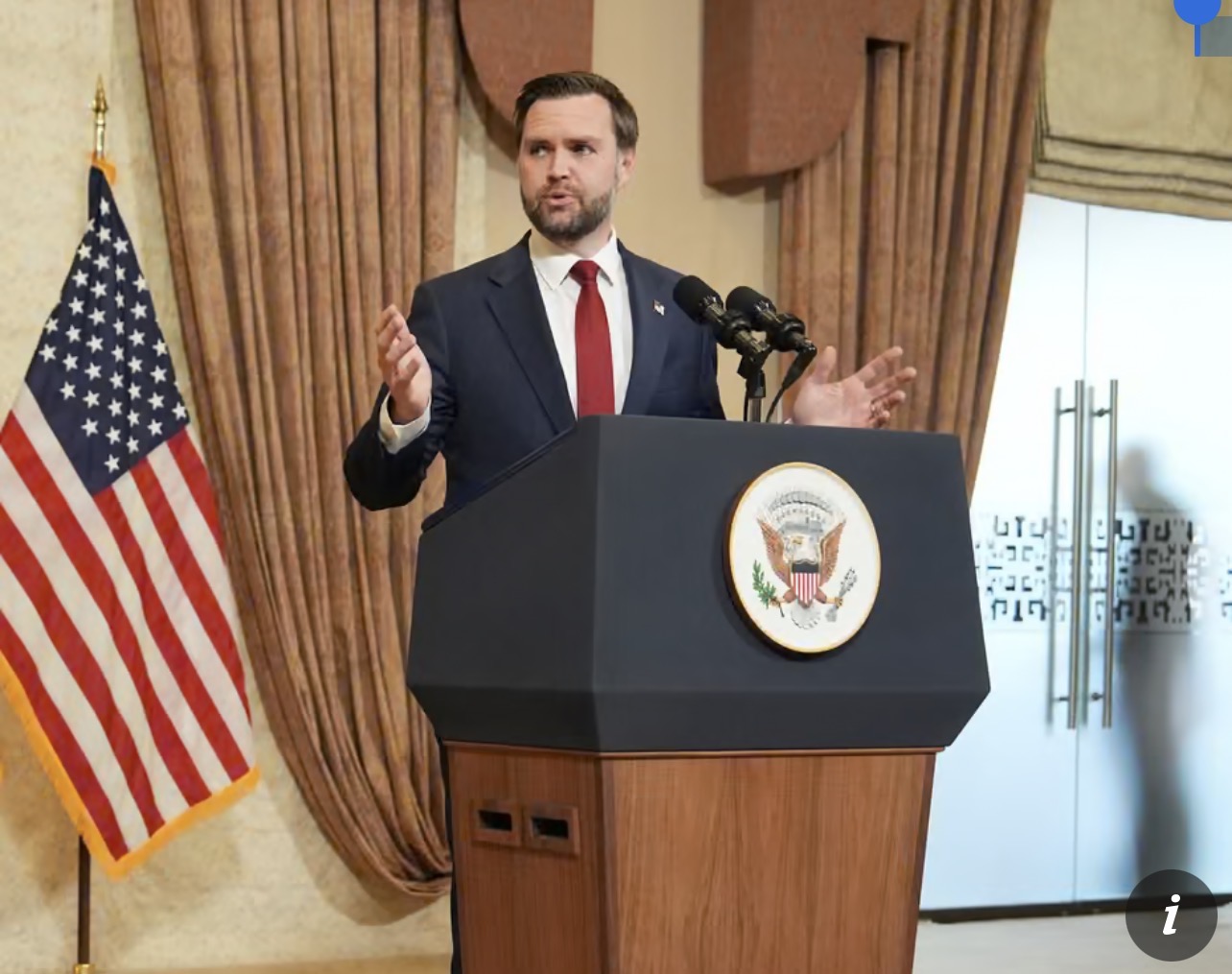
On Wednesday, Denmark and some of its European Nato allies announced the sending of further troops to Greenland. The foreign ministers of Greenland and Denmark then met in Washington with the vice-president, JD Vance, and the secretary of state, Marco Rubio, and agreed to set up a high-level working group. It’s quite clear the fundamental disagreement has not been resolved. All the signs are that Trump is going to get more extreme and unpredictable as time goes by and his domestic difficulties increase.
So here are a few suggestions. To highlight the European commitment, German chancellor Friedrich Merz, French president Emmanuel Macron and British prime minister Keir Starmer should visit Greenland, along with Danish prime minister Mette Frederiksen. They should be joined by Canadian prime minister Mark Carney, since Canada is the Nato ally that is Greenland’s actual western neighbour and directly impacted by Arctic insecurity.
If they can take a train to Kyiv, they can take a plane to Nuuk. Oddly enough, this visit may be as important as the substance of the security commitment, for President Trump’s second language is television. He’ll get the message from the pictures. A number of highly visible, vividly uniformed European and Canadian liaison officers should be stationed in Greenland for the foreseeable future.
skip past newsletter promotion
The task now for liberal democracies in general, and Europe in particular, is twofold: to see this world as it is and to work out what the hell we’re going to do about it.
A global public opinion poll published today is a useful starting point. It was conducted last November in 21 countries for the European Council on Foreign Relations, in partnership with our Europe in a Changing World research project at the University of Oxford (and do please read the full report, which I have written with Ivan Krastev and Mark Leonard). This is the fourth in a series of polls we’ve done every year since Putin’s full-scale invasion of Ukraine in 2022, so we can see how things have evolved from very bad then to critical now.
Back in 2022, we found a transatlantic west united in outrage at the full-scale invasion of Ukraine but divided from other great and middle powers, such as China, India and Turkey, who were quite happy to go on doing business as usual with Russia. The Russian economy was surviving unprecedented western sanctions because those other states now had sufficient wealth and power between them to counterbalance even a united west. So this was already a post-western world, but still with a west acting in it.
Trump 2.0 has changed all that. Now we have a post-western world, but with no coherent geopolitical west acting in it. To the extent that any strategic coherence should be attributed to the erratic narcissism of Trump, his approach is closer to that of Putin than it is to that of any US president since 1945. As his right-hand man Stephen Miller frankly explains, they believe the world is “governed by strength … by force … by power”.
Europeans have understood this. Astonishingly, less than one in five continental Europeans (taking an average of the 10 EU countries we surveyed) and just one in four Britons now see the US as an ally. In Ukraine, the figure is down to 18%. We Europeans do still see the US as “a necessary partner”, but not as an ally.
The rest of the world is also waking up to this. While in our first poll, 60% of Chinese respondents saw American and European approaches as the same or similar (ie there’s a single west), now just 43% say that, while a clear majority thinks they are different. As of now, the west is history.
So what should we do about it? The worst thing we could do is to go on bleating about the lost “rules-based international system”, making selective invocations of international law (Ukraine but not Gaza) while continuing the sycophantic appeasement of Trump. At the same time, we obviously don’t want to behave like him or Putin.
What we need is a new internationalism: faster, more flexible, harder-edged. Reject the use of force but embrace the use of power. Don’t fixate on existing structures and alliances but seek a wider range of partners, pragmatically, from issue to issue. Worry less about rules, more about results; less process, more progress. This is a challenge particularly to the institutional EU, the ultimate slow-moving, rules-based, process-heavy instantiation of 1990s-style liberal international order.
Yet we are already beginning to do it for Ukraine, with the novel combination of a coalition of the willing and the EU itself moving at what, for Brussels, is warp speed. As I argued last month, we should urgently prepare to sustain an independent Ukraine even without US support.
What about Greenland? First, we should be guided in everything we do by the elected governments of Greenland and Denmark. That, after all, is what distinguishes liberal democrats from authoritarian imperialists.
On Wednesday, Denmark and some of its European Nato allies announced the sending of further troops to Greenland. The foreign ministers of Greenland and Denmark then met in Washington with the vice-president, JD Vance, and the secretary of state, Marco Rubio, and agreed to set up a high-level working group. It’s quite clear the fundamental disagreement has not been resolved. All the signs are that Trump is going to get more extreme and unpredictable as time goes by and his domestic difficulties increase.
So here are a few suggestions. To highlight the European commitment, German chancellor Friedrich Merz, French president Emmanuel Macron and British prime minister Keir Starmer should visit Greenland, along with Danish prime minister Mette Frederiksen. They should be joined by Canadian prime minister Mark Carney, since Canada is the Nato ally that is Greenland’s actual western neighbour and directly impacted by Arctic insecurity.
If they can take a train to Kyiv, they can take a plane to Nuuk. Oddly enough, this visit may be as important as the substance of the security commitment, for President Trump’s second language is television. He’ll get the message from the pictures. A number of highly visible, vividly uniformed European and Canadian liaison officers should be stationed in Greenland for the foreseeable future.
skip past newsletter promotion