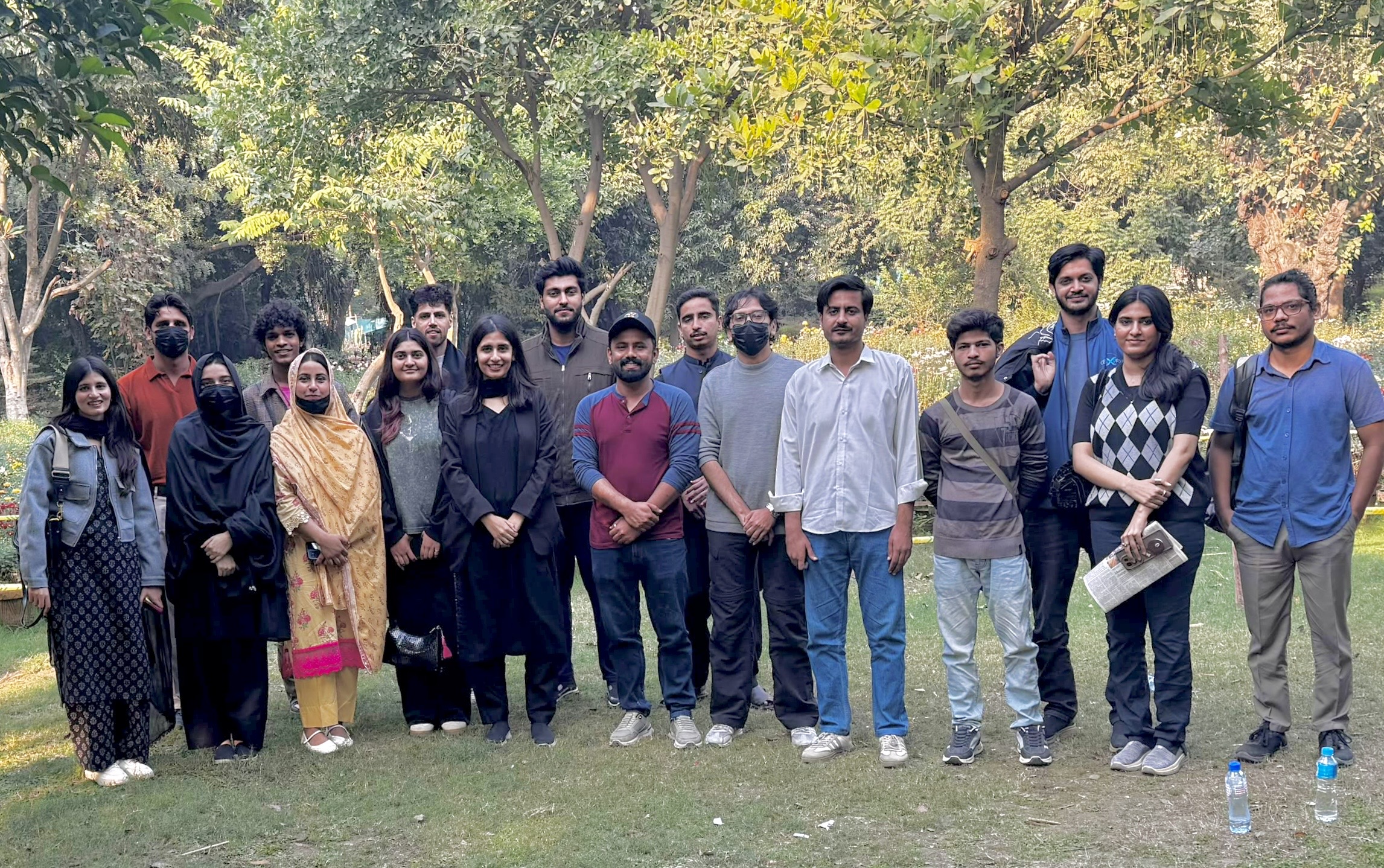
As winter smog once again blankets Lahore, students and climate activists organised an environmental awareness walk titled “Lahore in Haze”, travelling from Nasir Bagh to Bagh-e-Jinnah to highlight the city’s growing environmental challenges and the urgent need for a sustainable future.
The walk brought together students and climate-conscious individuals who used the public activity as an opportunity to raise awareness about air pollution, climate change and environmental responsibility.Along the route, participants engaged in discussions about Lahore’s deteriorating air quality, the consequences of unchecked urbanisation and the importance of developing environmentally sustainable cities. The activity also provided a platform for young people to exchange ideas about practical solutions and their role in addressing the climate crisis.
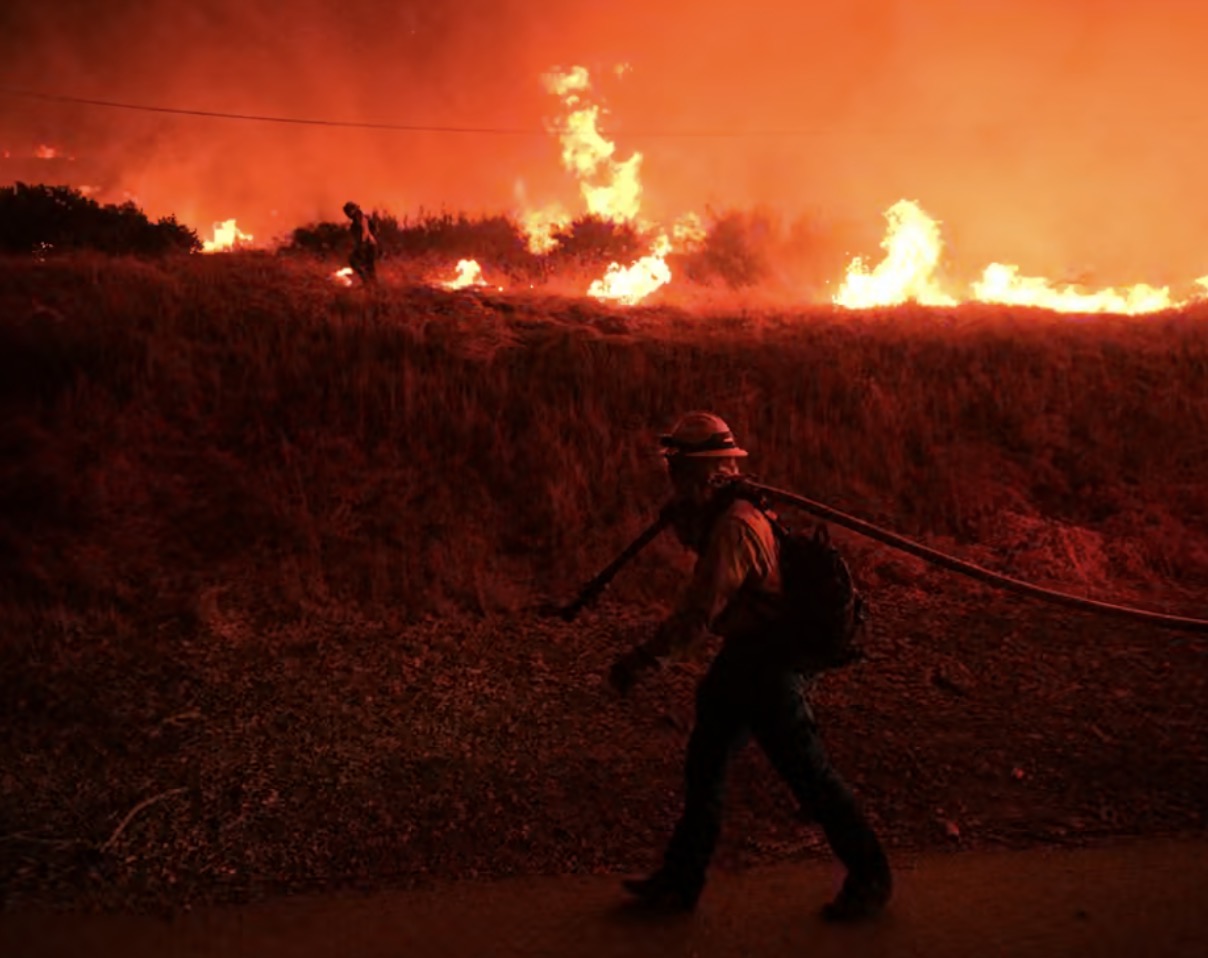
The initiative comes at a particularly critical time for Lahore. The city continues to face severe air pollution as seasonal smog intensifies across Punjab. On November 20, Lahore recorded an hourly Air Quality Index (AQI) of 465, placing it in the hazardous category, according to reported real-time air quality data. The situation reflects a wider regional environmental challenge, with several Punjab cities experiencing similarly alarming pollution levels.
Beyond seasonal smog, vehicular emissions, industrial pollution, construction dust and agricultural residue burning remain among the major contributors to poor air quality in the region.
Against this backdrop, Lahore in Haze sought to bring environmental concerns beyond policy discussions and into public spaces. By taking the conversation to the streets, the participants highlighted the importance of public engagement, community-led initiatives and youth participation in environmental protection.
The walk also underscored a broader message: addressing climate change requires more than occasional awareness campaigns. It demands sustained public commitment, effective environmental policies and collective responsibility from citizens, institutions and policymakers.
For Lahore, a city whose residents increasingly experience the consequences of polluted air, the question of sustainability is no longer confined to the future. It is an immediate concern affecting public health, urban life and the wellbeing of coming generations.
Through this initiative, the participating students and activists sought to remind the public that building a cleaner and more sustainable Lahore begins with awareness, but must ultimately translate into meaningful action.
Subscribe to our weekly newsletter
Get the week's top stories from Asia delivered to your inbox — free, once a week.