A chemical introduced as a safer alternative to potentially harmful plastic additives has been linked to lower birth weight and complications in fetal development, according to a new peer-reviewed study by researchers at New York University (NYU) Langone Health.
The study examined health data from more than 6,600 pregnancies collected through the US National Institutes of Health’s Environmental Influences on Child Health Outcomes (ECHO) programme. Researchers found evidence of DINCH exposure in the urine of up to 70 per cent of the women studied.DINCH, formally known as 1,2-cyclohexane dicarboxylic acid diisononyl ester, is a plasticiser used to make plastic products more flexible and durable. It has increasingly replaced certain phthalates, chemicals that have attracted regulatory scrutiny over concerns about their potential health effects.
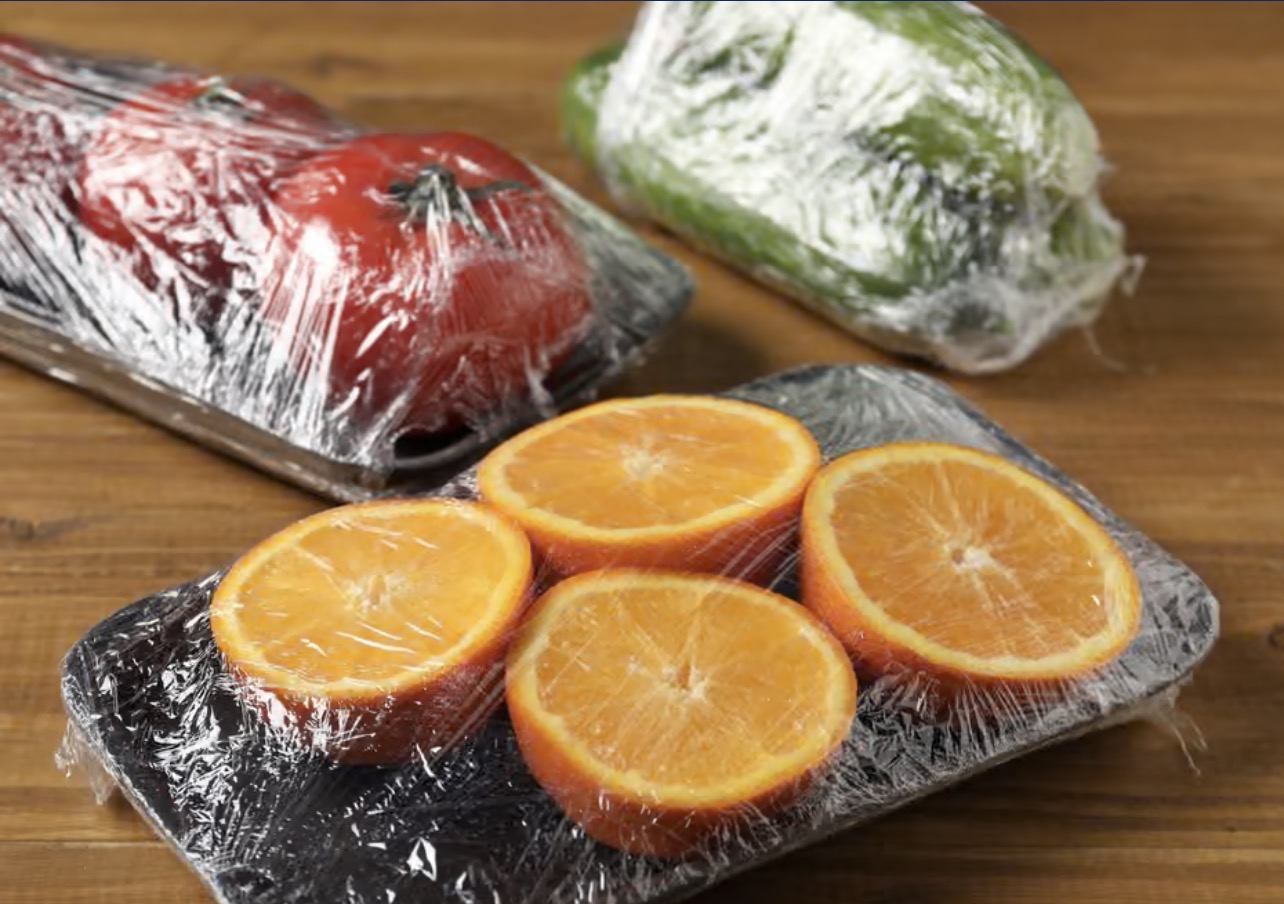
The substance is widely used in soft plastic food packaging in the United States and European Union. It is also found in products such as children’s toys, medical devices, textiles, flooring and plastic food wraps.
According to the findings, higher levels of DINCH exposure were associated with an increased likelihood of babies being classified as small for gestational age, meaning their birth weight was below the 10th percentile for their stage of pregnancy.
Researchers estimated that every tenfold increase in DINCH exposure was associated with a 27-gram reduction in newborn birth weight.
The authors warned that restricted fetal growth can be associated with an increased risk of health complications later in life, including cardiovascular disease, obesity and developmental difficulties.
Researchers have also pointed to earlier laboratory and animal studies suggesting that by-products of DINCH may interfere with hormonal processes involved in fetal development and potentially affect the supply of nutrients and oxygen to the developing baby.
The findings have renewed concerns about what scientists describe as ‘regrettable substitution’ — a process in which industries replace chemicals identified as harmful with alternatives that may carry similar health risks.
Following regulatory action against certain phthalates, manufacturers increasingly turned to DINCH as an alternative. Global production reportedly rose from approximately 25,000 tonnes in 2002 to 400,000 tonnes in 2024.
Lead researcher Leonardo Trasande said chemicals should undergo proper safety assessments before becoming widespread in consumer products.
He also called for stronger oversight of substances used in food packaging and household goods, arguing that safety testing should precede widespread public exposure rather than follow evidence of potential harm.
The findings come amid wider international discussions over plastic pollution and chemical safety, including negotiations surrounding a proposed United Nations global plastics treaty.
Researchers have emphasised the need for further investigation into DINCH exposure and its potential effects on human health. The study establishes an association rather than proving that the chemical directly causes reduced birth weight.
The findings nevertheless raise questions about the safety assessment of chemicals entering everyday consumer products, particularly those used in food packaging.
Subscribe to our weekly newsletter
Get the week's top stories from Asia delivered to your inbox — free, once a week.