
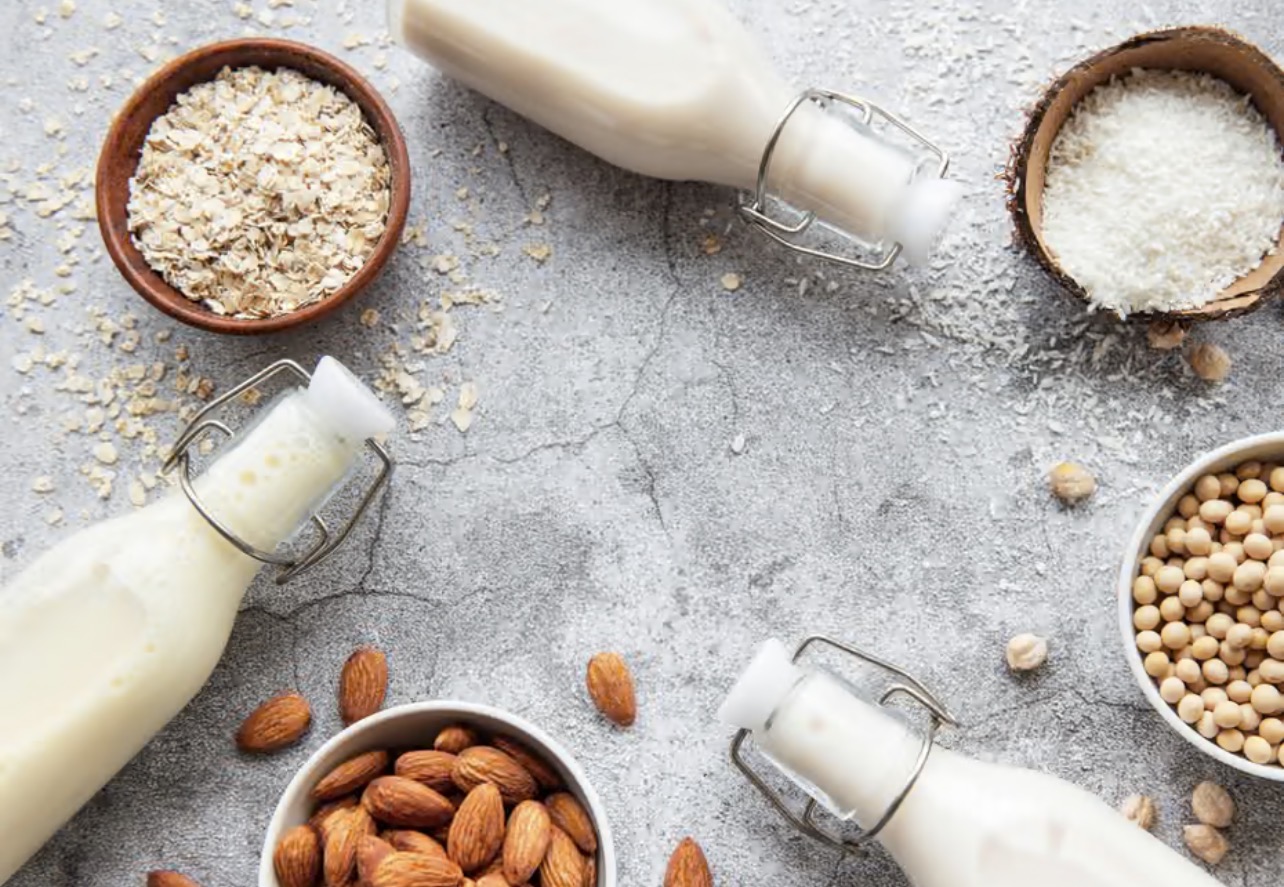
The growing shift from conventional dairy products to plant-based alternatives could increase the risk of micronutrient deficiencies, particularly among young people and women, according to a new study published in The Lancet Planetary Health.
Researchers have warned that replacing milk, cheese and yoghurt with alternatives made from soya, oats and almonds could reduce the intake of essential nutrients, including iodine, calcium, riboflavin and vitamin B12, particularly when these products are not fortified.The study, led by researchers examining dietary patterns in the United Kingdom, assessed 146 plant-based milk products, 76 dairy-free yoghurts and 67 non-dairy cheeses available in the UK market.
The findings revealed significant gaps in nutritional fortification. While 61 per cent of the products contained added calcium and 46 per cent were fortified with vitamin B12, only 19 per cent contained added riboflavin and 12 per cent were fortified with iodine.
Iodine emerged as a particular concern because of its essential role in thyroid hormone production, metabolism, healthy growth and brain development.
According to the researchers’ modelling, replacing between one-fifth and one-third of dairy consumption with plant-based alternatives could increase iodine deficiency among adolescent girls from 54 per cent to 65 per cent. Among women aged 19 to 49, the estimated proportion could rise from 32 per cent to 42 per cent.
The study also found that replacing one-third of dairy intake with non-dairy alternatives could reduce iodine consumption by between 9 and 21 per cent, depending on the dietary scenario.
A complete replacement of dairy products with plant-based alternatives could leave up to 80 per cent of teenage girls and 72 per cent of teenage boys with inadequate iodine intake under the modelled conditions.
Dr Sarah Bath, associate professor of public health nutrition at the University of Surrey, highlighted the importance of iodine for women of childbearing age and younger populations, warning that inadequate intake could have implications for healthy development.
Researchers suggested that mandatory iodine fortification of plant-based dairy alternatives could help prevent declines in average iodine intake as diets become increasingly plant-based. They also examined the potential contribution of iodised salt in bread to improving population iodine levels.
However, nutrition experts cautioned against interpreting the findings as evidence that everyone switching to plant-based products will develop deficiencies. Overall dietary patterns and the nutritional composition of individual products remain important factors.
Some manufacturers already fortify their products with essential nutrients. Companies including Alpro and Oatly offer selected plant-based drinks containing iodine, calcium and vitamins, although fortification varies across product ranges.
The research adds to the wider debate over how food systems can accommodate changing dietary preferences without compromising nutritional health.
As plant-based diets gain popularity, researchers are calling for stronger nutritional standards and clearer labelling to ensure that alternatives to conventional dairy provide essential micronutrients.
Subscribe to our weekly newsletter
Get the week's top stories from Asia delivered to your inbox — free, once a week.