California Governor Gavin Newsom has publicly endorsed a global transition away from fossil fuels, adding a prominent American voice to growing international efforts to phase out coal, oil and gas.
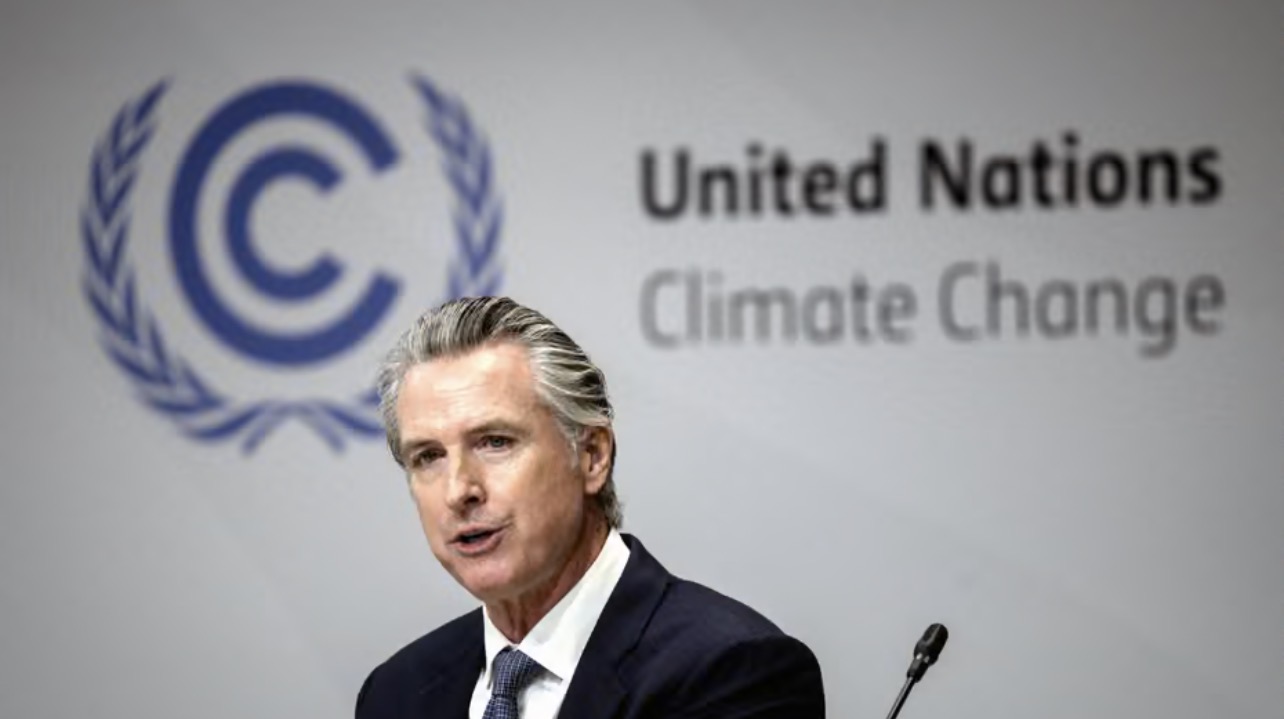
Speaking at the COP31 climate summit in Antalya, Newsom said California fully supported the work of the Santa Marta coalition, a group of more than 50 countries seeking to accelerate the shift towards renewable energy and other low-carbon technologies.“When you have a product that is obviously superior, which clean energy is for the climate and the economy, why wouldn’t you make that shift as quickly as possible?” Newsom said.
As governor of the most populous US state and the world’s fourth-largest economy, Newsom is the most prominent American politician attending this year’s summit. His participation comes as President Donald Trump’s administration continues to boycott the UN climate process.
The Santa Marta coalition emerged after efforts to establish a global fossil fuel phaseout roadmap faced resistance at COP30. More than 80 countries had supported developing such a framework, but opposition from several fossil fuel-producing states prevented agreement.
Countries supporting the initiative subsequently gathered in Santa Marta, Colombia, to advance discussions outside the formal UN negotiating process. The coalition includes major economies such as Germany, France, Brazil and the Netherlands.
Its approach seeks to build cooperation among governments willing to pursue a transition rather than allow disagreements within consensus-based negotiations to halt progress.
Newsom’s endorsement could strengthen the coalition’s international profile. The possibility of California’s position influencing future US federal climate policy has also attracted attention, although the governor’s statement does not represent a commitment by the federal government.
The economic argument for the transition remains central to the initiative. Supporters say expanding renewable energy, battery storage and electrification could reduce dependence on fossil fuels while creating new investment opportunities.
California has reported that its electricity system has operated entirely on clean energy for significant periods during 2026, with battery storage helping to balance supply and demand.
Germany has committed to phasing out fossil fuels by 2045, while France and the Netherlands have also developed transition plans. The coalition hopes that coordinated action by major economies will influence investment decisions and reduce the long-term financial risks associated with fossil fuel infrastructure.
The debate is also relevant to the wider COP31 negotiations, where governments are considering a proposed target to derive 35% of final energy consumption from electricity by 2035.
However, divisions remain over how quickly countries should move away from fossil fuels and how the costs of the transition should be shared. Developing economies have repeatedly called for financial assistance and access to technology to support their shift towards cleaner energy.
Newsom’s intervention comes as the future of fossil fuels remains one of the most contested issues in international climate diplomacy. Whether the Santa Marta coalition can turn political support into coordinated policy and measurable reductions in fossil fuel production will be a major test of its influence.
Subscribe to our weekly newsletter
Get the week's top stories from Asia delivered to your inbox — free, once a week.