The global energy system is entering a new era dominated increasingly by electricity rather than coal, oil and gas, according to the head of the International Energy Agency (IEA), who says rapid electrification is reshaping transport, industry and household energy consumption.
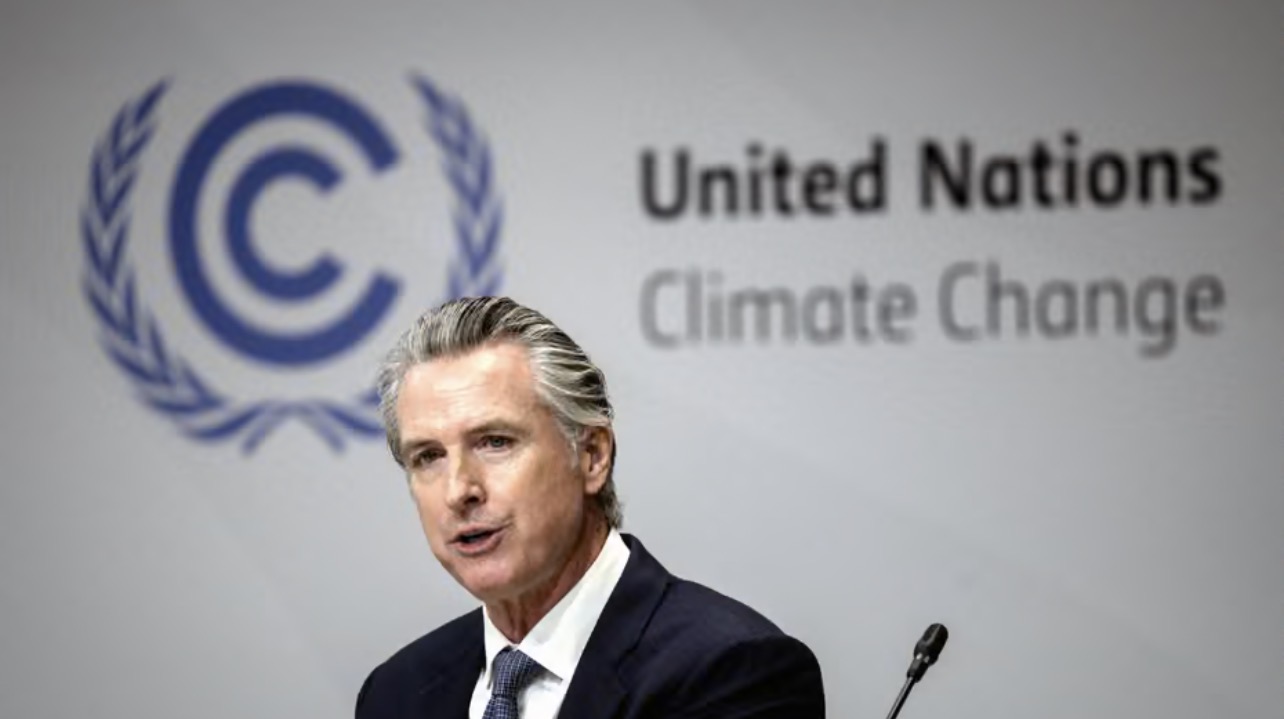
IEA Executive Director Fatih Birol said the world could add approximately 12,000 gigawatts of electricity generation capacity over the next decade, compared with around 5,000 gigawatts added during the previous ten years.Speaking at the COP31 climate summit in Antalya, Birol described the shift as the beginning of an “age of electricity”, driven by growing demand for electric transport, artificial intelligence infrastructure and air conditioning.
He said the transition was also gaining momentum as countries sought to reduce their exposure to volatile fossil fuel prices and disruptions in international energy supplies.
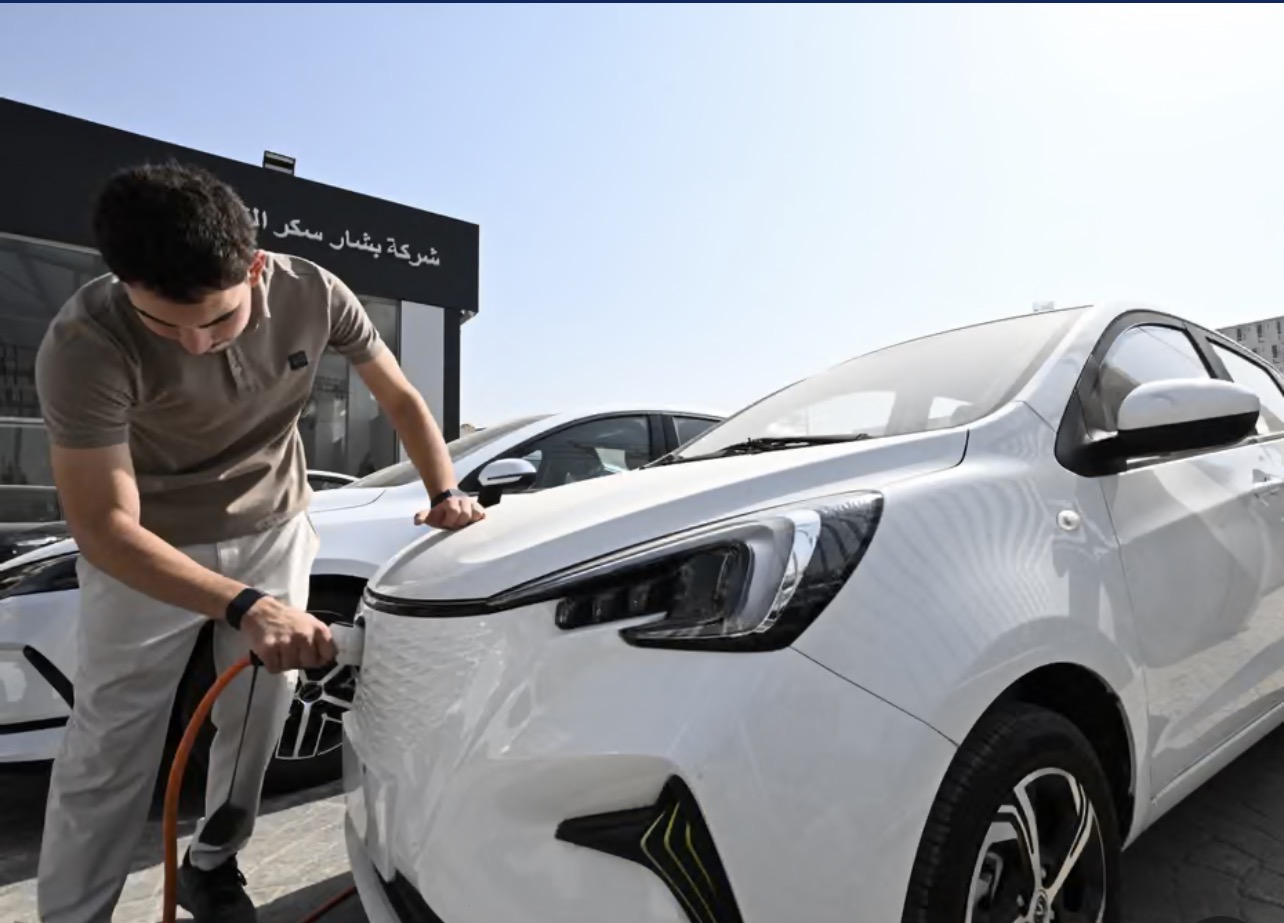
According to the IEA, electric vehicle sales outside China increased by 60% over the previous nine months. Birol also expects electric vehicles to account for approximately one-third of global car sales in 2026, compared with just 5% five years ago.
The expansion of artificial intelligence data centres is adding to electricity demand, while rising temperatures are accelerating the adoption of air conditioning in countries experiencing more frequent and intense heatwaves.
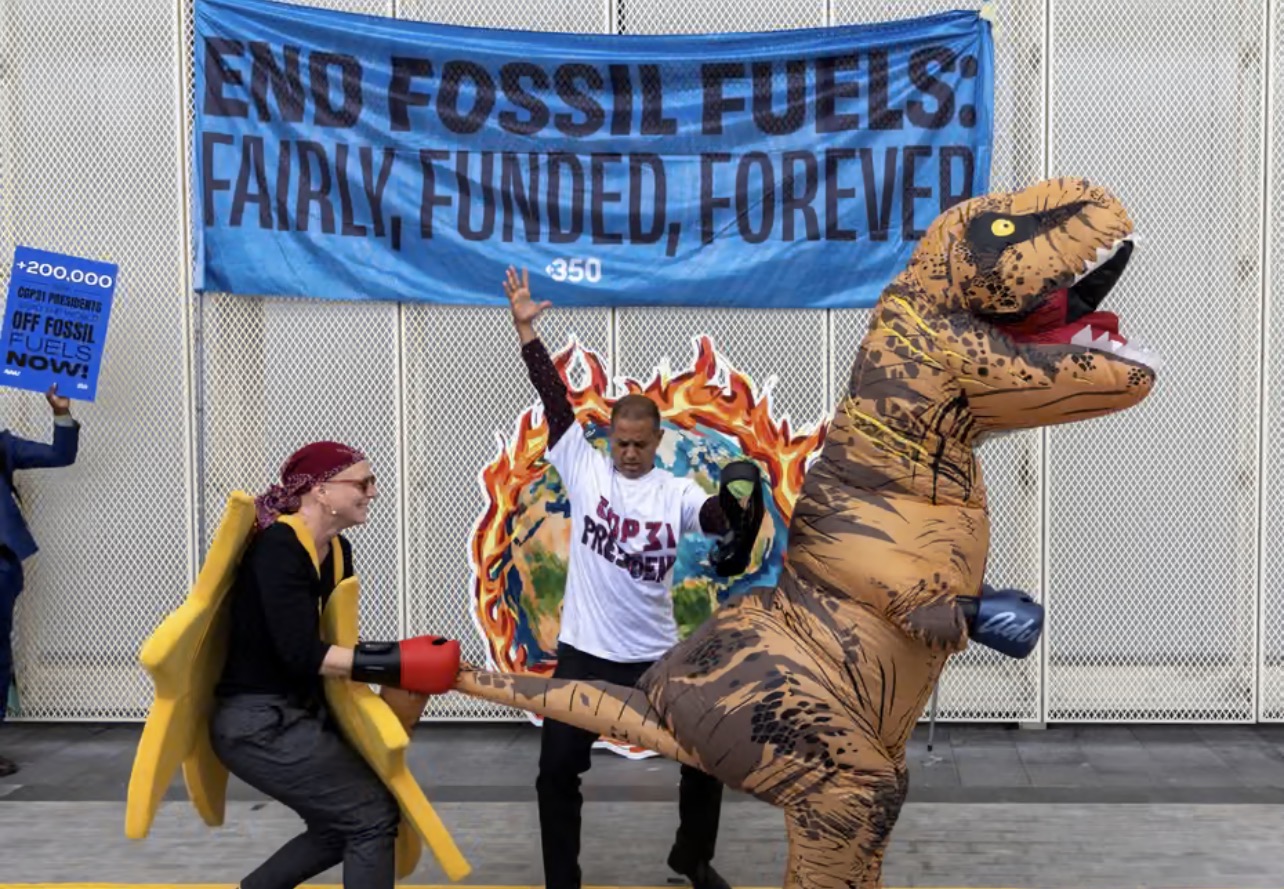
The shift towards electricity is also a central issue in COP31 negotiations. Governments are considering a proposed target to generate 35% of final energy consumption worldwide from electricity by 2035. Supporters believe the commitment could help accelerate decarbonisation across sectors that remain heavily dependent on fossil fuels.
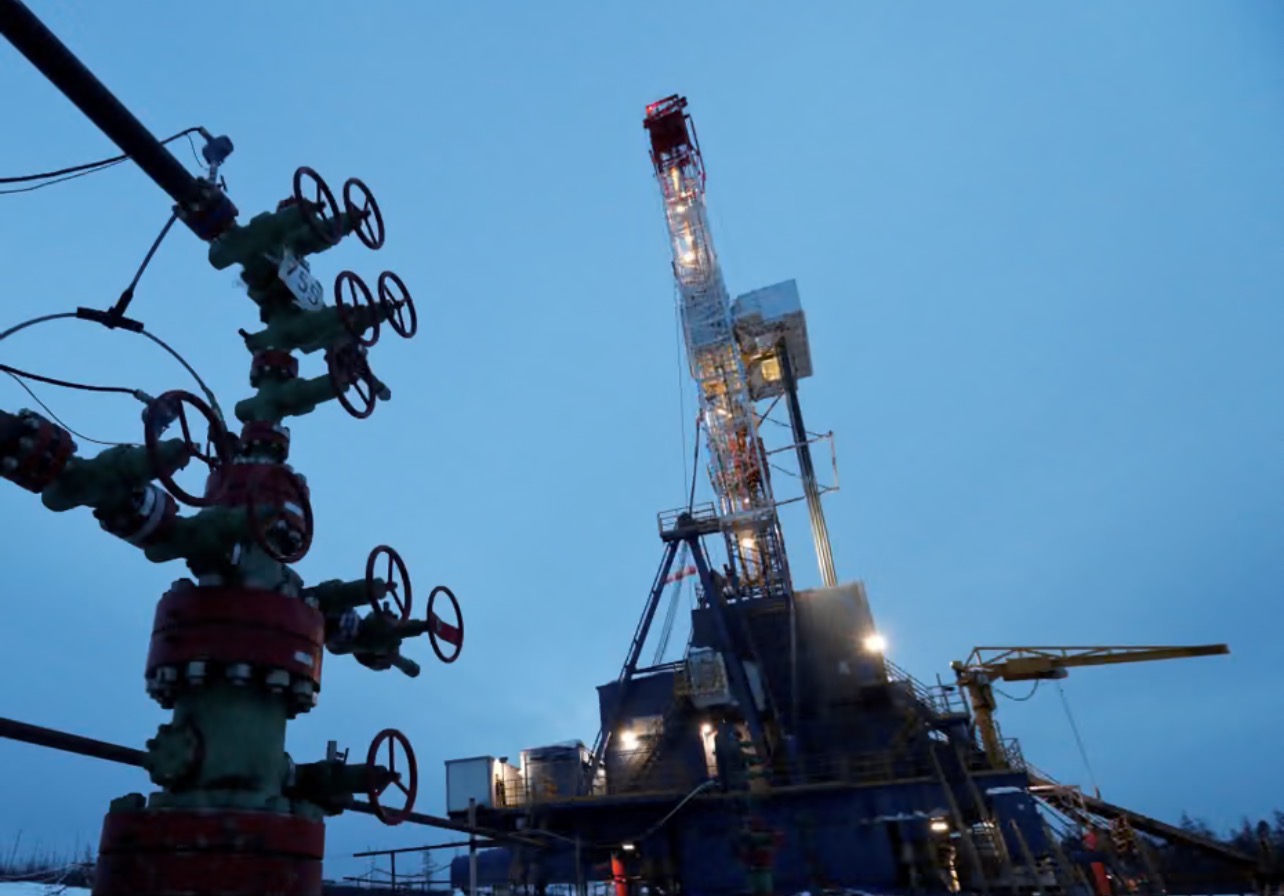
Electricity currently meets approximately one-quarter of global final energy demand, while fossil fuels supply most of the remainder, particularly in transport, heating and industrial production.
Birol said electrification could improve energy security by allowing countries to generate more of their own power, reducing dependence on imported fuels. He also argued that replacing inefficient fossil fuel technologies with electric alternatives could reduce the amount of energy required to deliver the same services.
However, the proposed international target faces political obstacles. Saudi Arabia and Russia are among the countries reportedly opposed to the pledge. As COP decisions generally require consensus, resistance from a small group of governments could prevent its adoption.
Birol maintained that the wider transition would continue regardless of the summit’s final decision, citing economic and technological changes as the main forces driving electrification.
He also identified affordability as a major challenge, warning that expanding electricity access would be insufficient unless households and businesses could afford the power they needed.
Pointing to the United Kingdom, Birol attributed high electricity prices largely to the country’s reliance on imported gas. He argued that expanding domestic renewable electricity generation would offer a more sustainable response than increasing gas imports.
The energy transition is therefore becoming more than a climate policy debate. It is increasingly connected to national security, industrial competitiveness and the ability of countries to meet rapidly rising electricity demand.
Whether COP31 produces a formal electrification commitment remains uncertain. But the expansion of electric transport, digital infrastructure and renewable power suggests that electricity will play a growing role in the global energy system over the coming decade.
Subscribe to our weekly newsletter
Get the week's top stories from Asia delivered to your inbox — free, once a week.