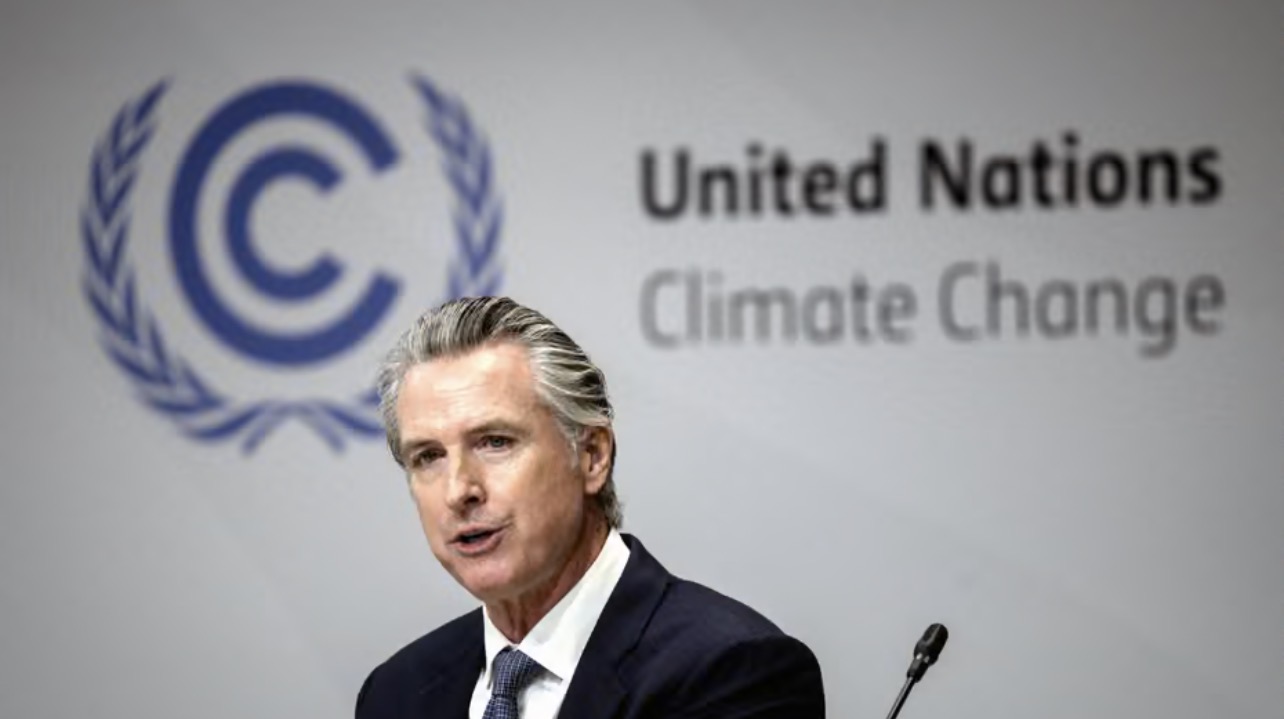
Delays to the next major assessment of global climate science could weaken international efforts to address global warming and undermine cooperation under the Paris Agreement, leading climate scientist Johan Rockström has warned.
Rockström, director of the Potsdam Institute for Climate Impact Research, has called for the Intergovernmental Panel on Climate Change (IPCC) to complete its seventh assessment report without political interference, arguing that scientific evidence remains essential to shaping international climate policy.The warning comes amid disagreements among countries over the IPCC’s representation of developing nations and the proposed publication schedule of its next comprehensive assessment, known as AR7.
The report, currently expected to be completed in 2028, is intended to inform the second global stocktake under the Paris Agreement at COP33 later that year. The stocktake will assess whether countries are making sufficient progress towards limiting global temperature increases to 1.5°C above pre-industrial levels.
However, Russia, India and the Arab Group of countries, including Saudi Arabia, have reportedly pushed for publication to be postponed until 2029, after the global stocktake. They have raised concerns about the representation of developing countries and the assumptions underlying some of the scientific scenarios used to assess emissions reductions.
Rockström rejected claims that the IPCC’s scientific assessments systematically favour developed countries, describing its work as an evidence-based synthesis of research conducted by scientists worldwide. He warned that delaying the process could weaken the scientific foundation of international climate policymaking.
The disagreement has also exposed broader questions about fairness in climate science. Lidy Nacpil, coordinator of the Asian Peoples’ Movement on Debt and Development, argued that some emissions-reduction scenarios place disproportionate expectations on developing countries because they prioritise the lowest-cost opportunities for reducing emissions.
She also questioned the historical imbalance in responsibility for fossil fuel consumption and industrial development, arguing that developing nations should not bear an unfair share of the costs of the global energy transition.
The IPCC’s representation figures indicate that developing countries and economies in transition account for 51 per cent of the 664 appointed authors working on the drafts of its three working-group reports. This represents an increase compared with the previous assessment cycle in 2021.
The organisation has also introduced measures intended to strengthen diversity, inclusion and participation in its scientific process. Its representatives maintain that contributions from developing countries and underrepresented communities are an important part of the current assessment cycle.
Several climate-vulnerable nations, including small island states and least developed countries, have called for the report to be completed on schedule.
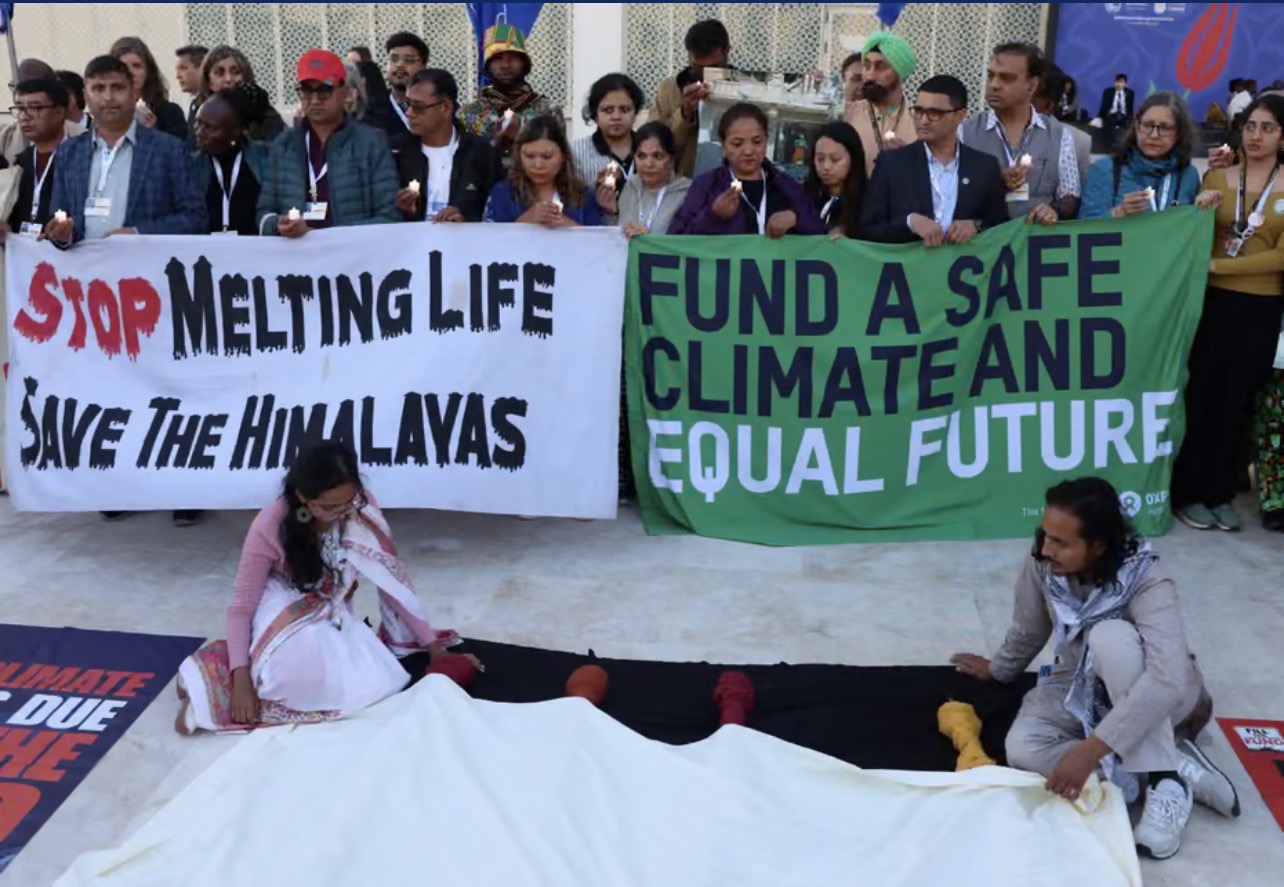
Nepalese climate negotiator Raju Pandit Chhetri warned against allowing political disagreements to undermine scientific assessments, highlighting the devastating consequences that climate-related disasters can have on vulnerable populations.
The dispute comes at a particularly sensitive moment for international climate diplomacy. The United Nations has projected that current global emissions commitments could leave the world facing approximately 2.8°C of warming, significantly exceeding the Paris Agreement’s temperature goals.
Although the IPCC’s seventh assessment cannot be formally settled through COP31 negotiations, discussions in Türkiye could help governments identify a compromise before the scientific body’s upcoming budget decisions.
The report’s publication schedule is also linked to the IPCC’s financial capacity. Without agreement on its budget, the organisation could face difficulties completing its assessment before the 2028 global stocktake.
The controversy highlights a fundamental challenge for international climate governance: scientific cooperation must accommodate diverse national experiences without compromising the independence and credibility of research.
For climate-vulnerable countries, the timing and integrity of the next IPCC assessment could influence how governments evaluate emissions commitments, climate risks and the financial responsibilities associated with global warming.
As negotiations continue, the question is no longer limited to when the next report will be published. It is whether governments can resolve their differences without weakening the scientific process on which international climate action depends.
Subscribe to our weekly newsletter
Get the week's top stories from Asia delivered to your inbox — free, once a week.