China has pledged to accelerate the electrification of its economy and support other countries in adopting cleaner energy technologies, adding significant weight to an international push for electricity to account for 35 per cent of global final energy consumption by 2035.
Wang Yi, a professor of energy and environmental policy at the Chinese Academy of Sciences and a senior adviser to the Chinese government, said electrification was a central direction for the global energy transition, provided electricity generation also became progressively cleaner.Speaking during the COP31 climate negotiations, Wang said China intended to pursue clean end-use electrification while sharing its technological experience with other countries. He highlighted the declining costs of clean energy technologies and products as an opportunity for international cooperation.
China’s position carries considerable significance. The country accounts for more than a quarter of global greenhouse gas emissions, making its energy policies central to international efforts to limit global warming. Its willingness to promote electrification beyond its borders could also influence the pace of energy transitions in developing economies.
The proposed 35:35 target has become an important issue at the Antalya summit. Australia, which is presiding over the negotiations, and host nation Türkiye have supported the initiative. China and Australia also signed a joint statement endorsing the target on Friday.
However, the proposal has encountered resistance in negotiations. A revised draft of the potential COP31 outcome released on Thursday placed electrification among a range of voluntary measures countries could adopt to reduce emissions, rather than establishing it as a stronger collective commitment.
The disagreement centres on whether electrification targets should require electricity to come exclusively from low-carbon sources. Environmental campaigners argue that without such conditions, countries could expand gas-fired power generation while claiming progress towards electrification.
China has expressed support for the 2035 electricity target but acknowledged that ensuring all additional electricity comes from clean sources presents a more complicated challenge. Wang said meeting the target would be achievable, although guaranteeing completely clean electrification would be more difficult, particularly for countries with fewer resources.
Despite its substantial renewable energy investments, China continues to operate a large fleet of coal-fired power stations and has plans for additional capacity. Wang described coal generation as a backup measure during the transition towards cleaner energy.
The debate reflects a wider challenge facing international climate negotiations: electrifying transport, heating and industrial production is essential to reducing dependence on fossil fuels, but the environmental benefits depend heavily on how electricity is generated.
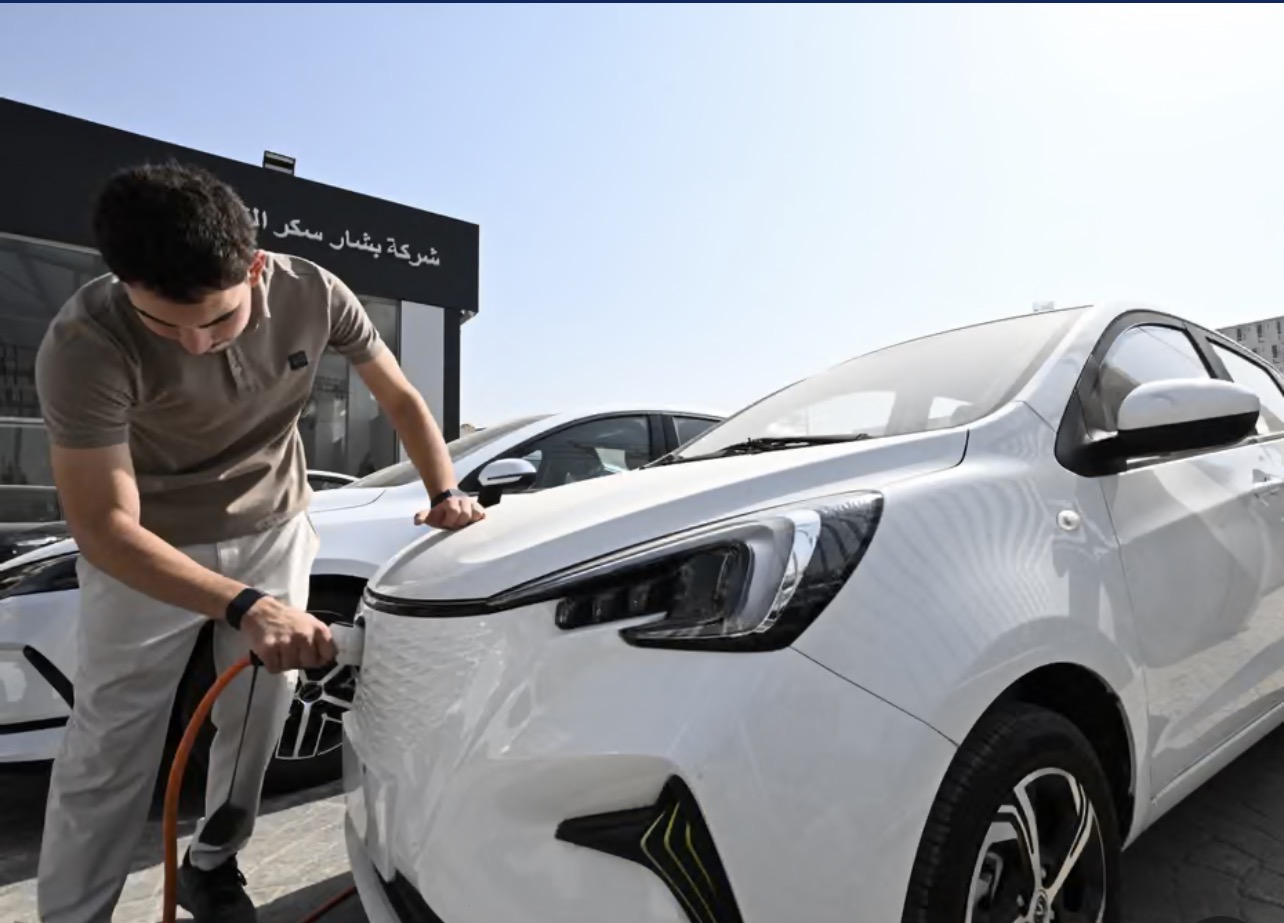
Electric vehicles, heat pumps and electrified industrial processes can use energy more efficiently than their fossil-fuel alternatives. Electricity currently accounts for nearly 30 per cent of China’s energy consumption, and the country is on track to reach 35 per cent by 2030, according to the figures cited in the negotiations.
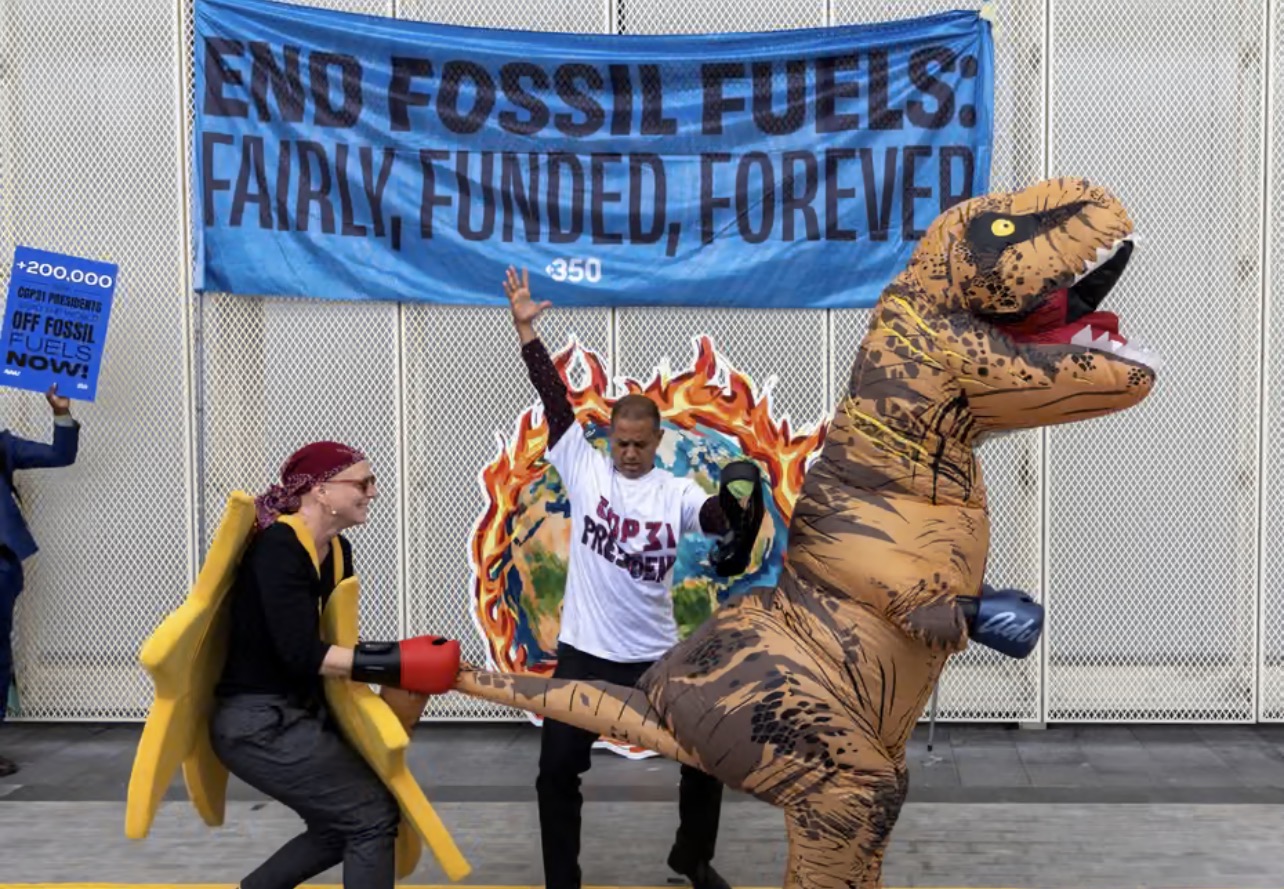
Meanwhile, the future of fossil fuels remains one of the most contentious issues at COP31. The commitment to transition away from fossil fuels, agreed at COP28 in Dubai in 2023, has yet to be translated into a detailed international implementation framework.
The reference to transitioning away from fossil fuels appeared in the first draft of the COP31 outcome document but was removed from the second version released on Thursday, prompting criticism from several countries and environmental campaigners.
China’s position on electrification could therefore become an important part of the wider negotiations. Its ability to combine industrial-scale clean technology production with international cooperation offers opportunities for countries seeking affordable alternatives to carbon-intensive energy.
However, the central question remains whether the proposed global target will produce a meaningful shift towards low-carbon electricity or become another voluntary commitment without sufficient safeguards.
As negotiations continue, governments face pressure to agree on an energy transition that is not only technologically achievable but also financially accessible and environmentally credible.
Subscribe to our weekly newsletter
Get the week's top stories from Asia delivered to your inbox — free, once a week.