The United Kingdom has appointed former intelligence official Madeleine Alessandri as the world’s first special representative for climate security, reflecting growing government concern over the national security consequences of climate change.
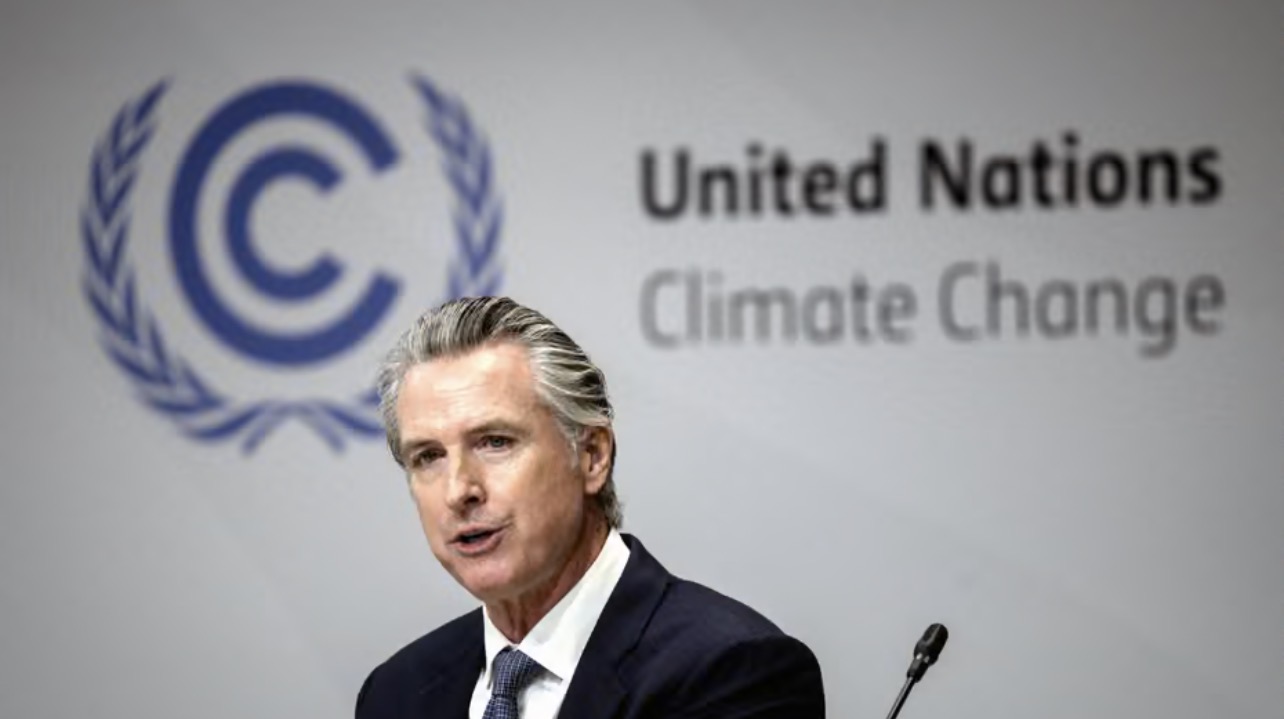
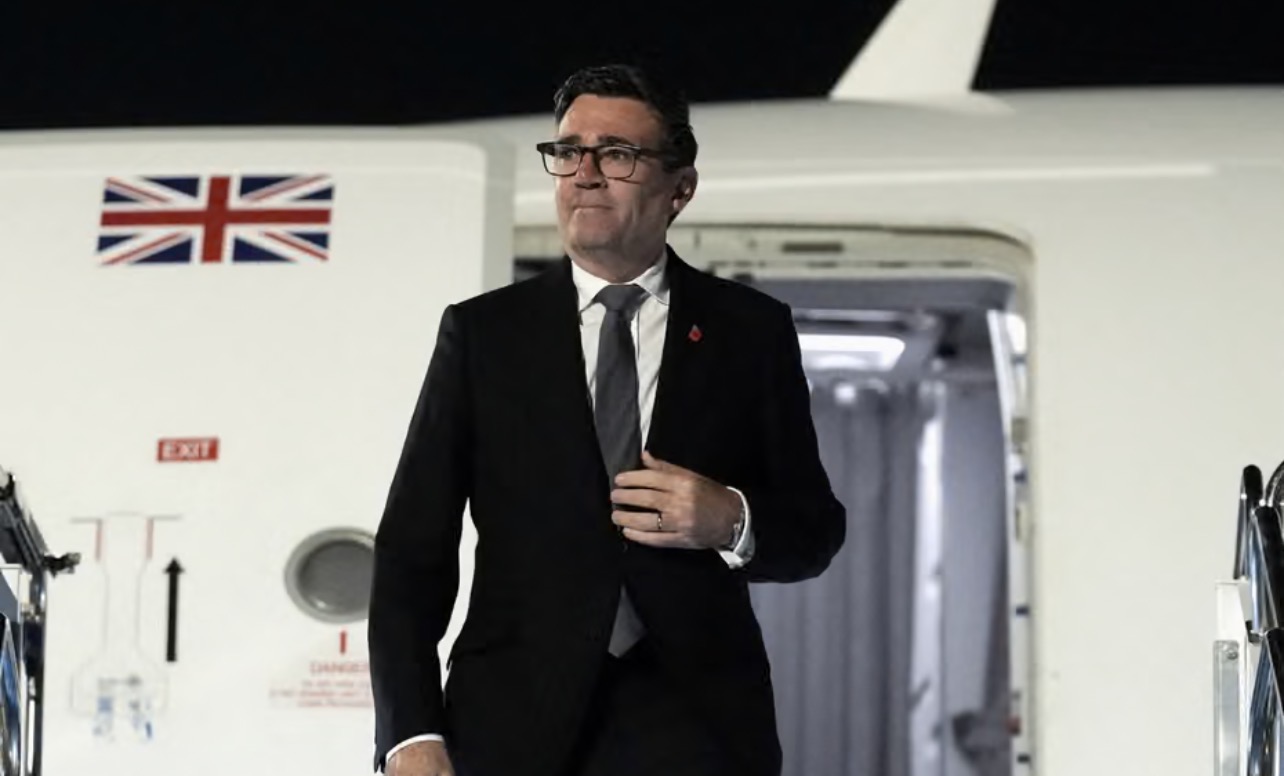
Prime Minister Andy Burnham is expected to announce the appointment at the COP31 climate summit in Antalya, where he will also reaffirm Britain’s commitment to achieving net-zero emissions by 2050.Alessandri, who previously chaired the Joint Intelligence Committee (JIC), will advise the government on security risks arising from climate change and the loss of natural ecosystems. Her role will include working with government departments and international partners to assess emerging threats and strengthen the country’s preparedness.
The appointment follows intelligence assessments warning that environmental degradation overseas could begin producing serious security consequences for the UK within five years. The risks identified include food shortages, rising prices, mass migration and conflict between nuclear-armed states.
The JIC, which oversees intelligence assessments involving agencies including MI5 and MI6, previously examined how climate disruption and the depletion of natural resources could destabilise vulnerable regions. The findings became public after details of a previously restricted report were disclosed.
Alessandri said climate change and nature loss were increasingly shaping the international security environment, placing pressure on economies, communities and resources.
She said her priority would be to identify threats before they developed into crises, while strengthening cooperation and resilience at home and abroad.
The appointment comes after an exceptionally hot summer in the UK, marked by successive heatwaves that disrupted public services, transport and education. The government has described the experience as evidence of the growing domestic consequences of climate change.
Burnham is also expected to confirm British support for a proposed global target to derive 35% of final energy consumption from electricity by 2035. The UK will further support efforts to mobilise £5bn in private investment for clean energy projects internationally.
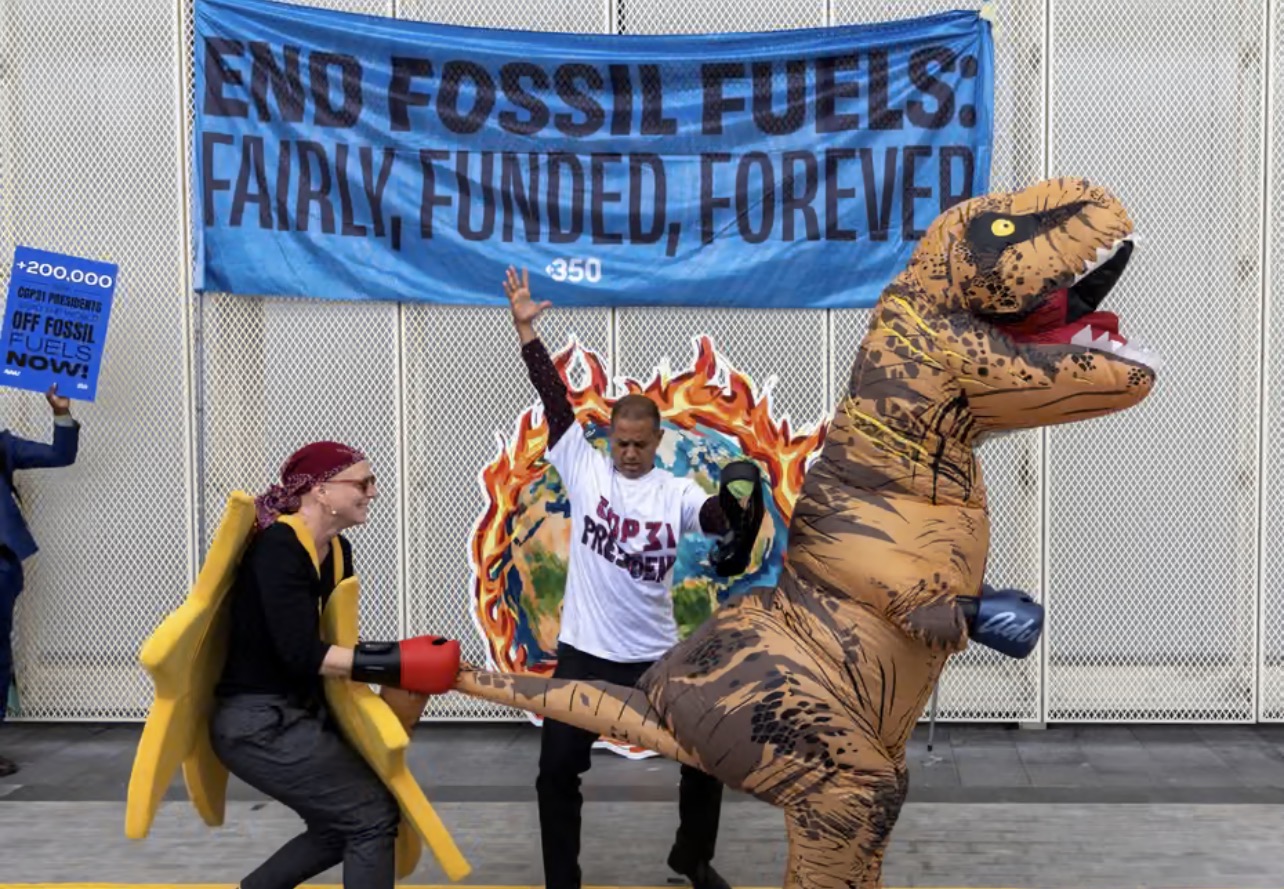
However, the government’s climate position has drawn criticism from environmental organisations, which argue that its domestic energy decisions do not match its international commitments.
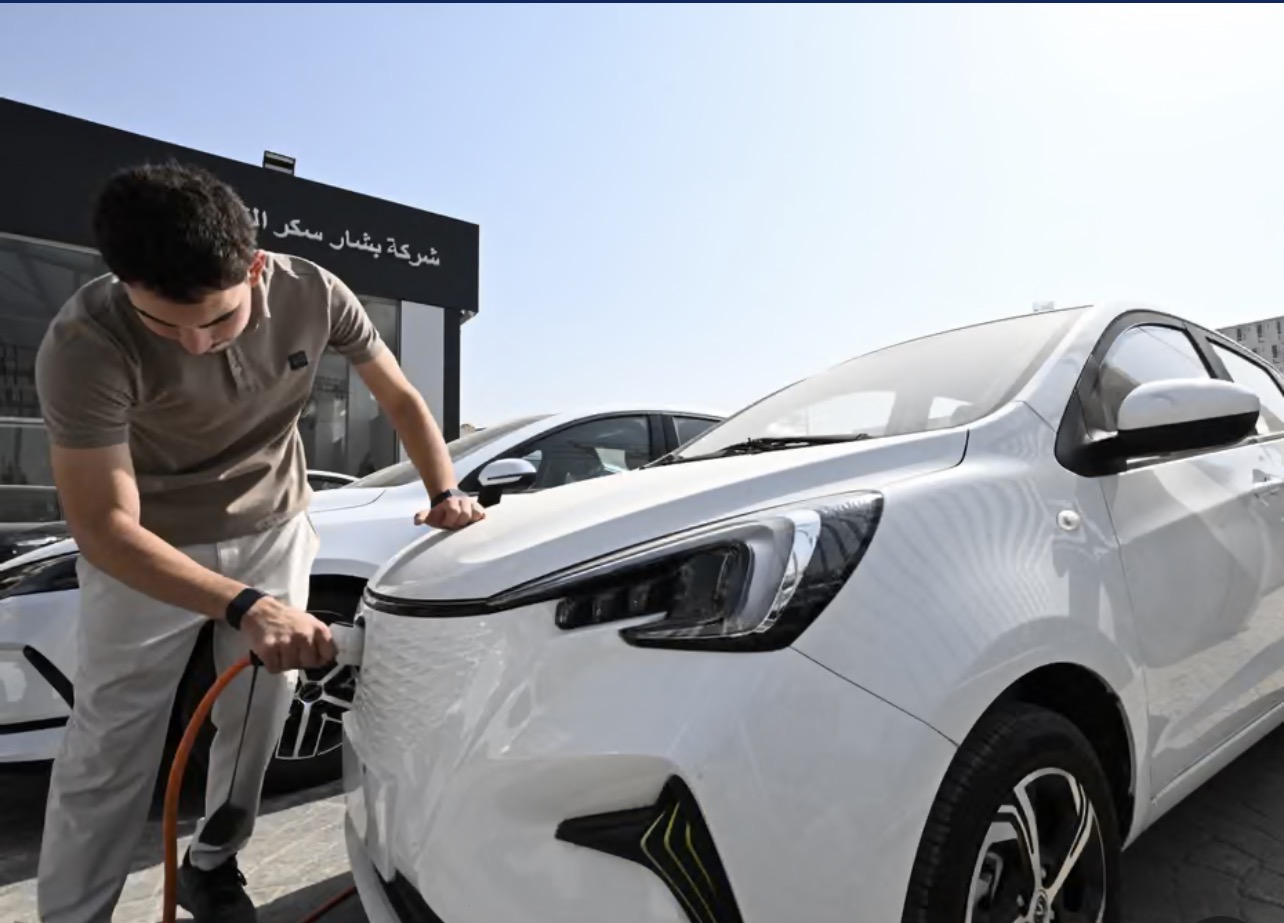
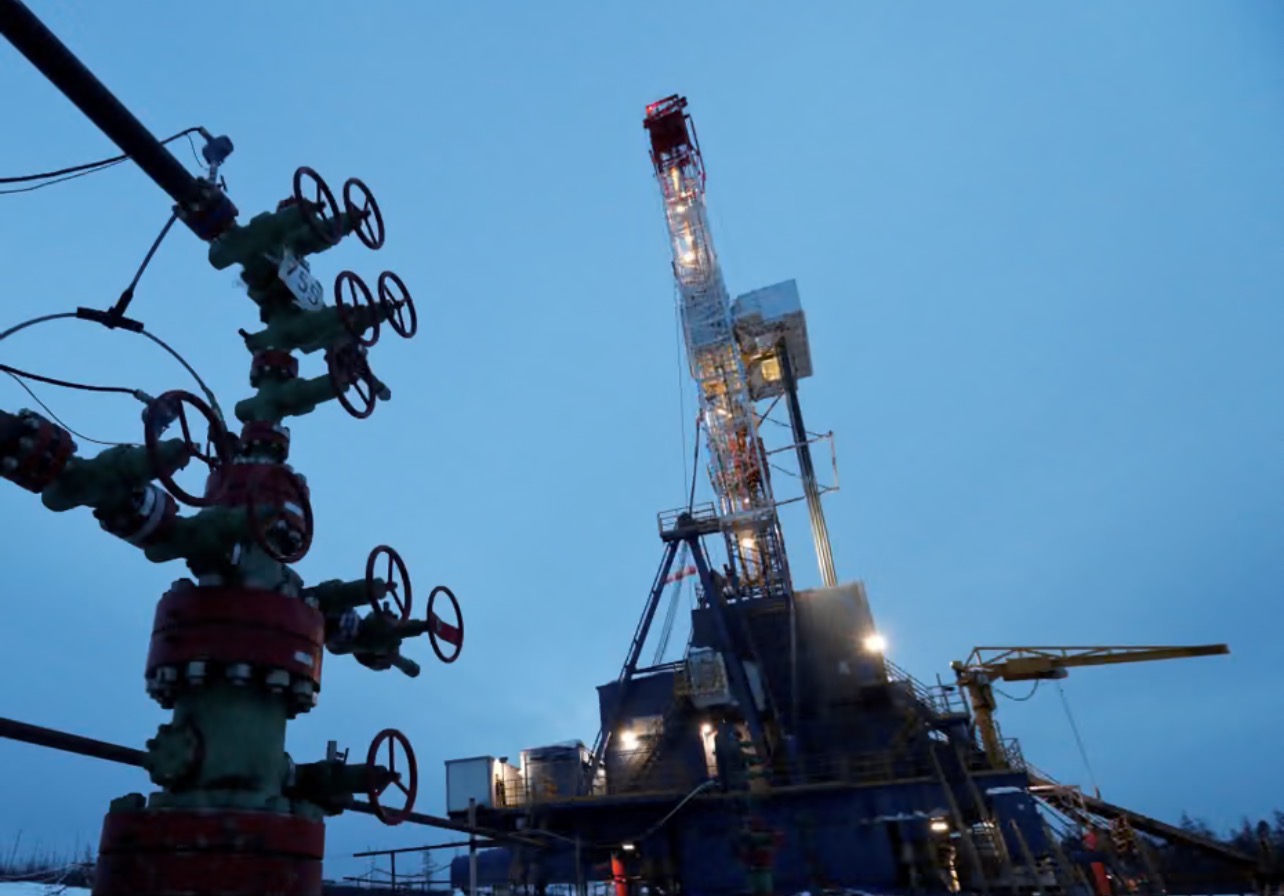
Campaigners have raised concerns over the approval of the Jackdaw gasfield in the North Sea, continued consideration of the Rosebank oilfield and proposals to weaken electric vehicle targets.
Mohamed Adow, director of the Power Shift Africa thinktank, said Britain could not promote clean development internationally while continuing to expand fossil fuel activity at home.
Friends of the Earth also questioned the credibility of the government’s climate leadership, arguing that stronger domestic emissions policies and financial support for vulnerable countries were necessary.
Climate security has also become a growing concern in British foreign policy. Foreign Secretary Ed Miliband has warned that climate disruption threatens food supplies, critical infrastructure and population stability, describing it as a major national security challenge.
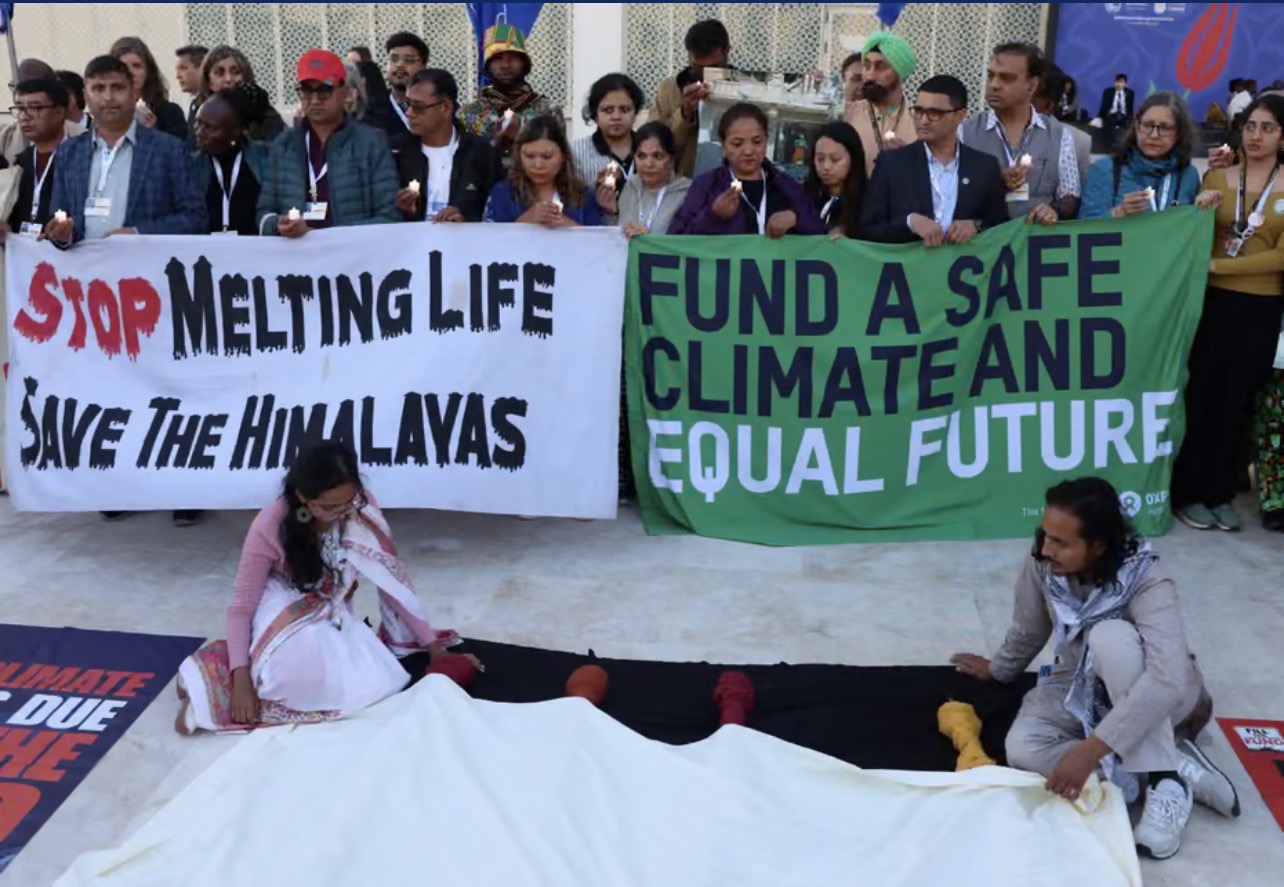
The issue extends beyond the UK’s borders. Countries with limited resources are increasingly exposed to extreme weather, ecosystem damage and the financial costs of recovery. Nepal, which recently experienced a devastating flash flood, has called for international adaptation assistance in the form of grants rather than loans.
The UK appointment places climate change more directly within the country’s national security framework. It also raises a wider question for governments: whether recognising climate risks as security threats will lead to stronger domestic action and more reliable financial support for countries facing the greatest consequences.
Subscribe to our weekly newsletter
Get the week's top stories from Asia delivered to your inbox — free, once a week.