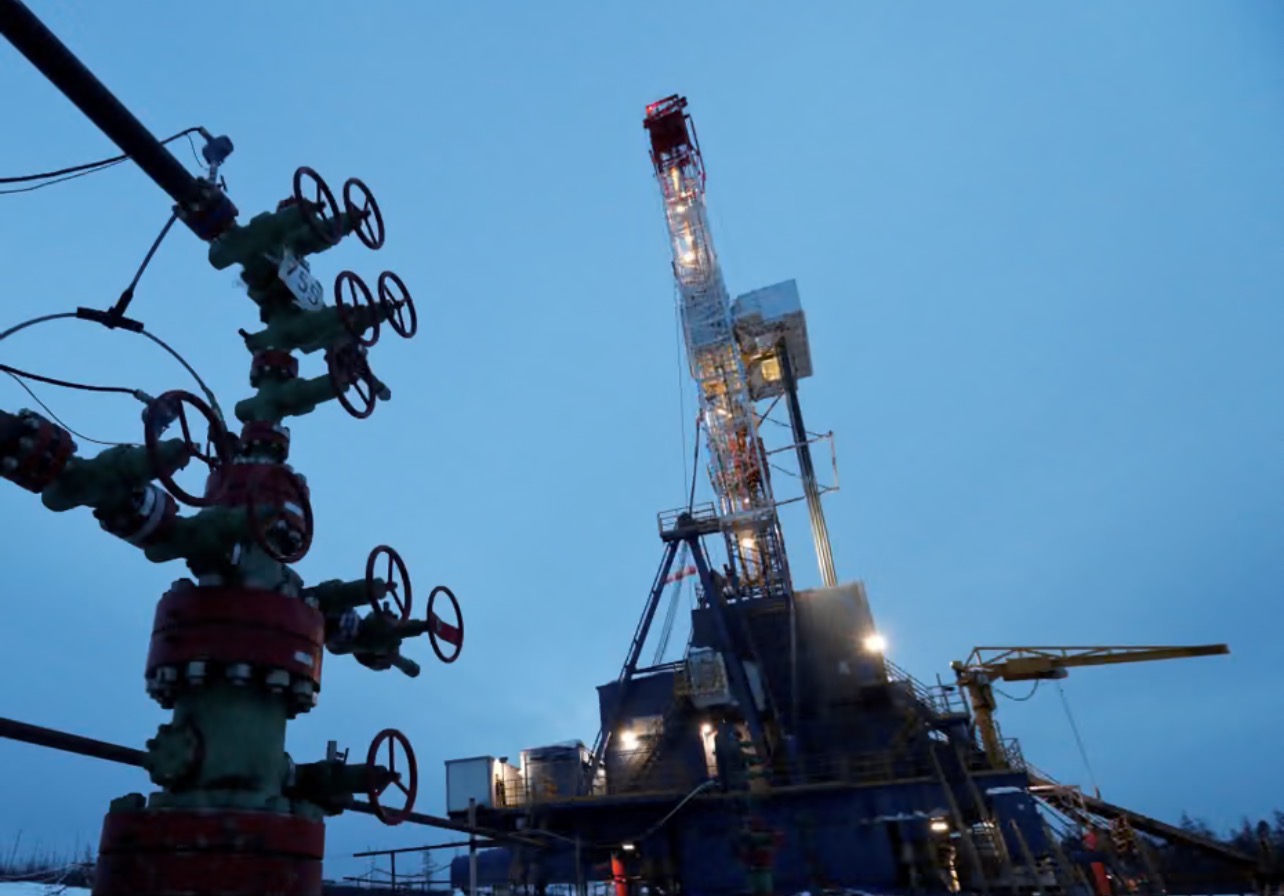
Russia, Saudi Arabia and Australia have emerged as the world’s three largest historical exporters of carbon dioxide, according to a new analysis tracing the emissions associated with fossil fuels extracted and exported since 1850.
The analysis, conducted by Carbon Brief, estimates that Russia’s exported coal, oil and gas were responsible for almost 70 gigatonnes of CO₂ emissions by the end of 2025. Saudi Arabia follows with approximately 60 gigatonnes, while Australia’s exports account for more than 25 gigatonnes.The findings offer a different perspective on historical climate responsibility. Most conventional emissions assessments attribute carbon dioxide to the countries where fossil fuels are burned. This analysis instead assigns responsibility to the countries where the fuels are extracted before being exported for consumption elsewhere.
The distinction is particularly significant for Australia, which is presiding over COP31 in Turkey. Fossil fuels account for around two-fifths of its export economy, yet the country has not established an endpoint for their extraction or export.
Louise Hutchins, convener of the Make Polluters Pay International Coalition, said the findings highlighted contradictions in international climate negotiations. She argued that countries generating substantial wealth through fossil fuel exports should contribute to the costs of climate action.
The analysis also places the United States and China in a wider historical context. Although they remain the world’s two largest current greenhouse gas emitters, both have also consumed substantial quantities of imported fossil fuels while burning their own resources. Their overall historical responsibility remains greater than that of Russia, Saudi Arabia and Australia.
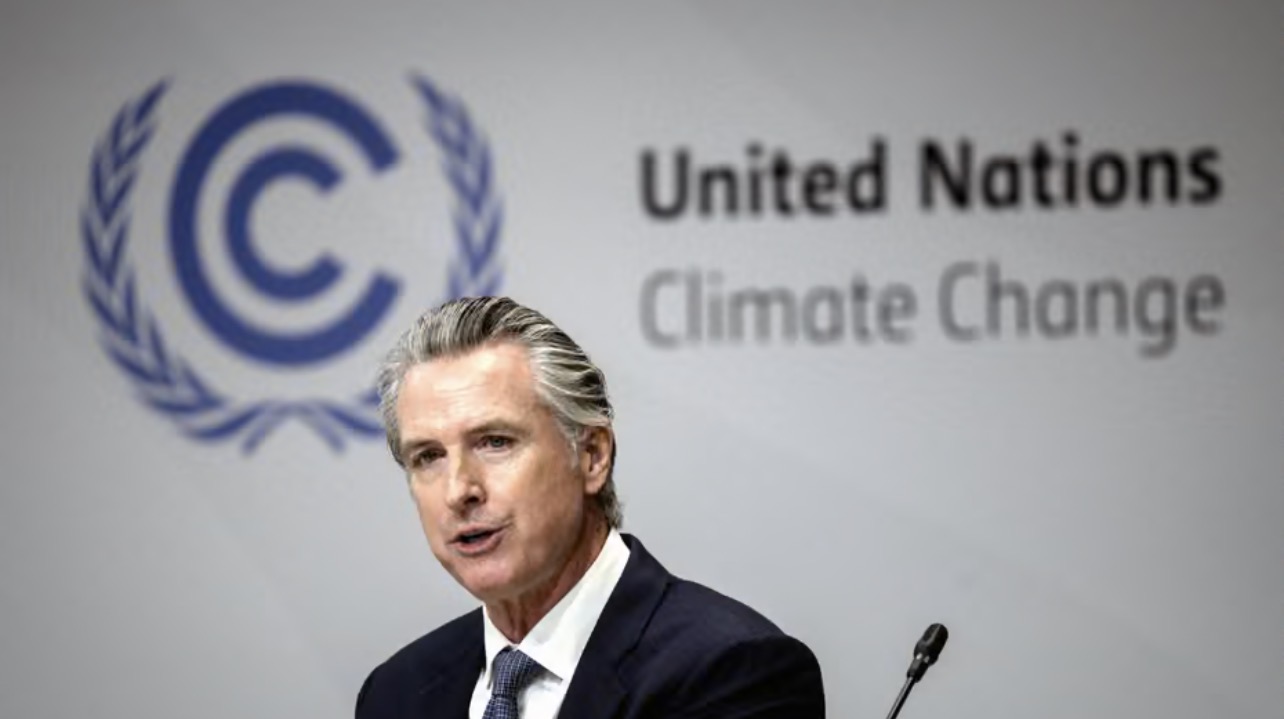
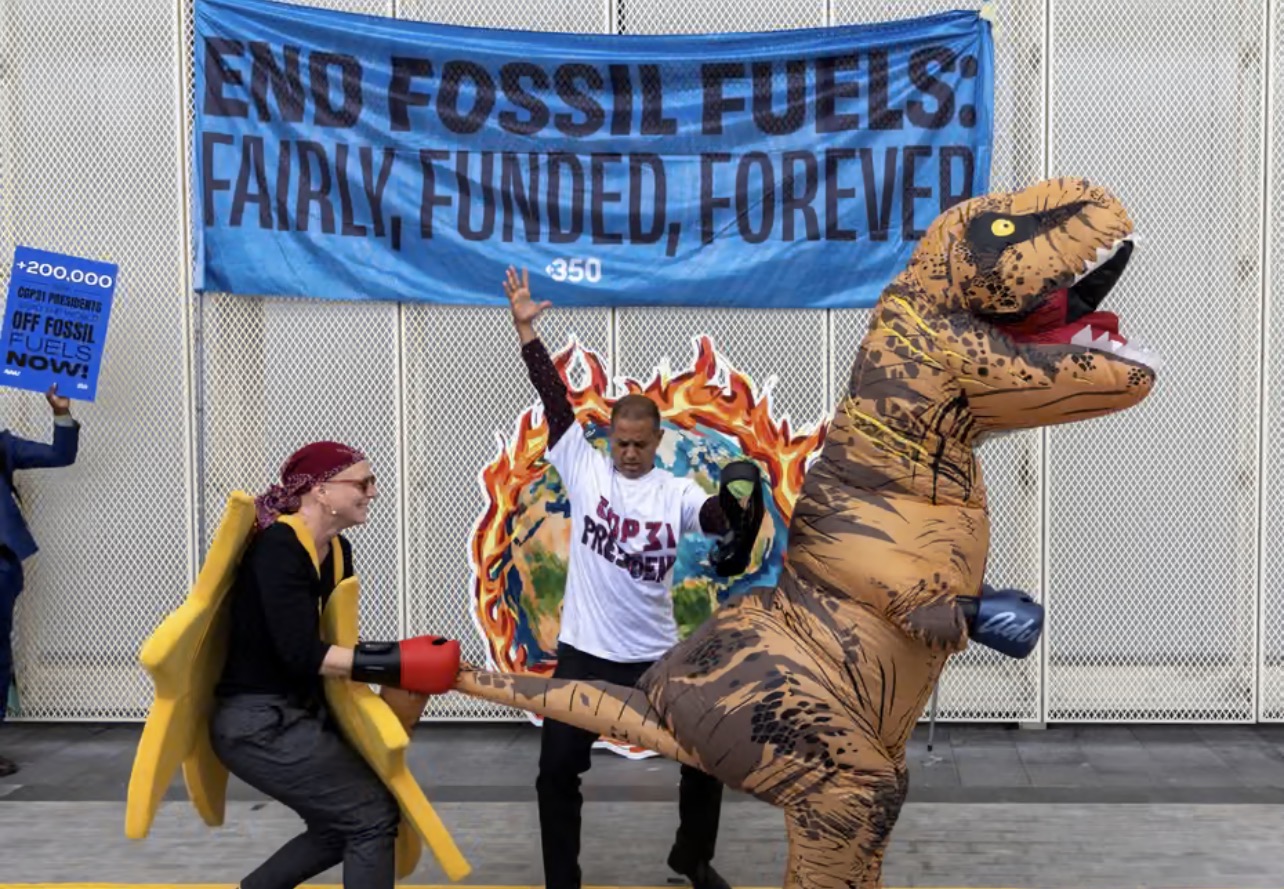
The findings arrive as negotiations at COP31 face renewed disagreements over the future of fossil fuels. A draft outcome issued by Australia included language calling for an immediate transition away from fossil fuels in energy systems. However, several countries have resisted stronger commitments, raising doubts about whether the wording will survive subsequent negotiations.
Saudi Arabia, Russia and other members of the Arab negotiating group have also opposed the proposal to include a formal cover text, potentially complicating efforts to reach an agreement.
Separate research by Climate Analytics has raised further questions about Australia’s domestic energy policy. The thinktank found that coal mines being approved in the country could continue operating until 2088, decades beyond the period in which countries are expected to reach net-zero emissions.
Bill Hare, chief executive of Climate Analytics, said Australia’s international climate position was difficult to reconcile with plans for continued fossil fuel extraction and exports.
Saudi Arabia disputed the attribution of emissions from exported oil, arguing that importing countries determine how the fuel is used and how resulting emissions are managed. A representative of its energy ministry said the country accounted for approximately 1% of historical global CO₂ emissions released within its borders.
The ministry also pointed to research identifying Saudi crude as having relatively low upstream carbon intensity and cited comparatively low methane intensity in its oil and gas operations.
The dispute reflects a central question in climate diplomacy: whether responsibility should rest primarily with the countries consuming fossil fuels, the producers extracting them, or both.
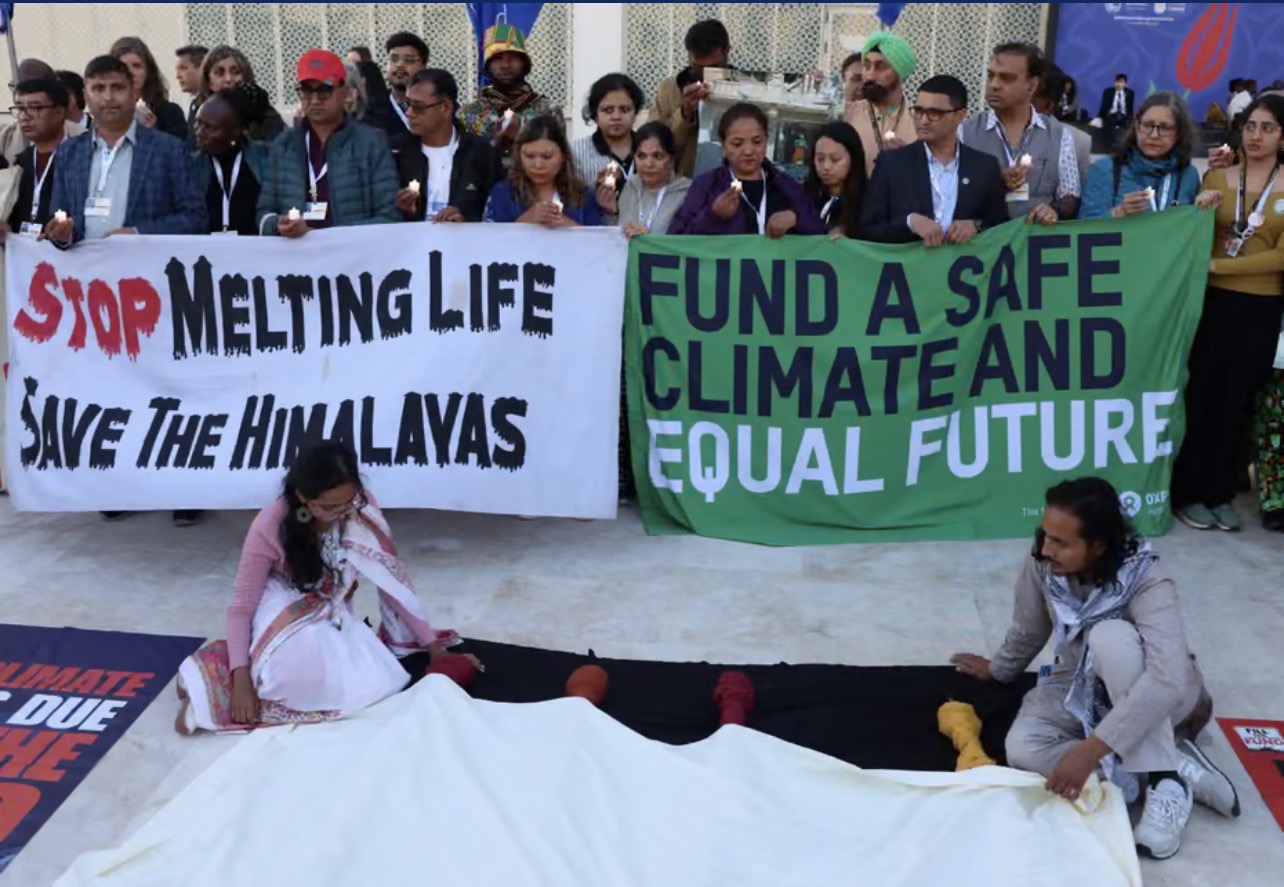
As climate-vulnerable nations seek greater financial support for adaptation and the transition to cleaner energy, the question of who should pay remains central to negotiations. The new analysis adds historical fossil fuel exports to an increasingly complex debate over accountability, climate finance and the global transition away from carbon-intensive energy.
Subscribe to our weekly newsletter
Get the week's top stories from Asia delivered to your inbox — free, once a week.