
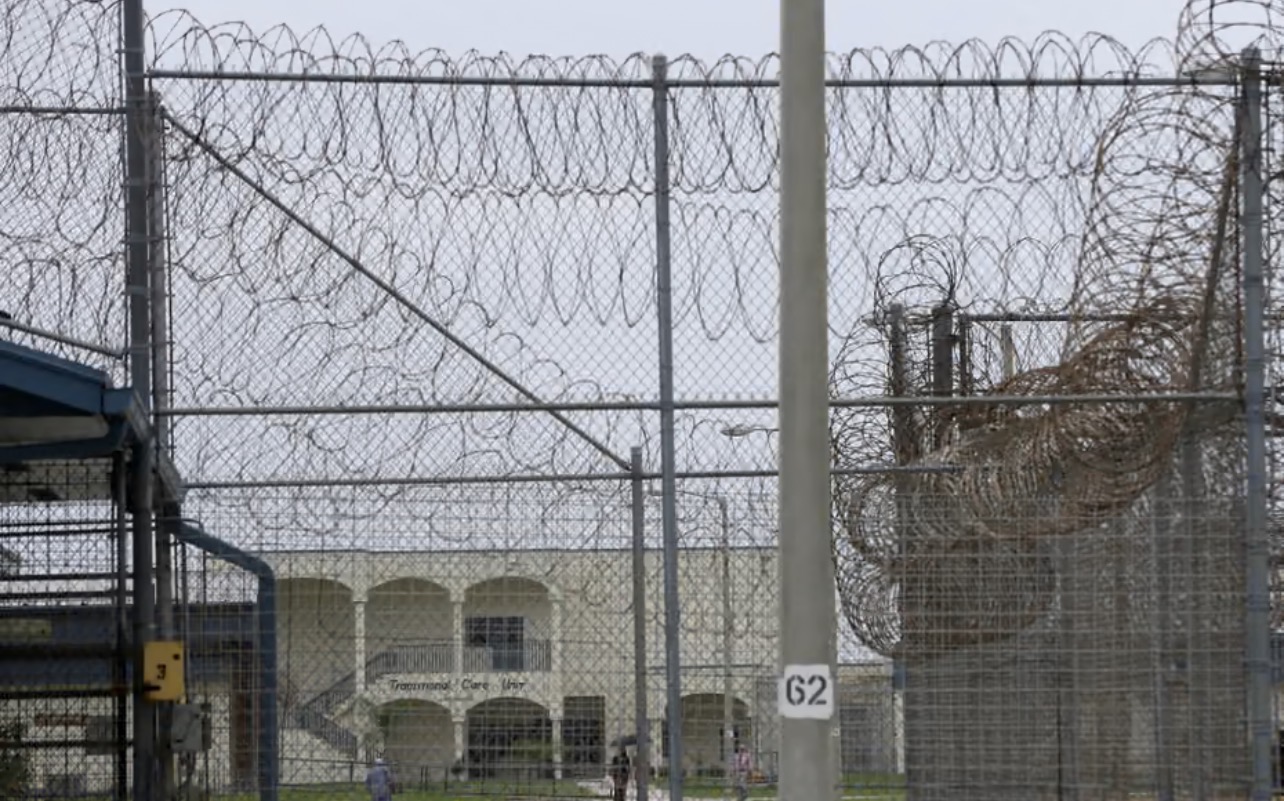
Prisoners at a state correctional facility in Florida have described unbearable heat, poor ventilation and dangerous living conditions, as a federal trial examines allegations that extreme temperatures have endangered inmates and contributed to several deaths.
During testimony at a federal courthouse in Miami, prisoners described conditions inside Dade Correctional Institution, where the absence of air conditioning has left cells and dormitories exposed to intense summer heat.Temperature sensors installed across the facility during the summer of 2025 recorded heat indexes above 88F (31C) for 97 per cent of the monitoring period. The highest reading reached 119F (48C) in a dormitory dayroom at approximately 10pm, when outdoor temperatures would ordinarily have begun to fall.
Dwayne Wilson, 69, told the court that prisoners sometimes poured water onto the floor in an attempt to cool their surroundings. He described concrete walls retaining heat and beds becoming soaked with sweat during the night.
Gary Wheeler, 67, another former resident of the facility’s H dormitories, testified that he had experienced heat exhaustion after initially fearing he was suffering a heart attack. He also expressed concern for elderly and disabled prisoners who might be unable to protect themselves during extreme heat.
The lawsuit was filed in 2024 against Florida’s Department of Corrections. Prisoners allege that prolonged exposure to excessive temperatures contributed to four deaths and amounted to cruel and unusual punishment under the US Constitution.
One of the cases discussed during the proceedings involved James Beam, an 83-year-old wheelchair user with a respiratory condition. Fellow prisoners described his deteriorating breathing and difficulties during periods of extreme heat. Although a medical examiner attributed his death to pneumonia, medical expert Dr Susi Vassallo told the court that prolonged heat exposure may also have contributed.
Vassallo warned that elderly prisoners and people with underlying medical conditions face greater risks of heat-related illness. She also questioned the effectiveness of ventilation fans, arguing that at sufficiently high temperatures they may offer little relief and could increase the body’s heat burden.
The Florida Department of Corrections has disputed the allegations. Its lawyers told the court that the prison had more than 100 ceiling and exhaust fans, while inmates were permitted to wear shorts and had access to drinking water and ice during summer months.
The defence also challenged the argument that the absence of air conditioning constituted a constitutional violation, noting that the Eighth Amendment was ratified in 1791, before modern cooling systems existed.
The case reflects a wider debate over prison conditions in the United States, where extreme summer temperatures have raised concerns about the safety of incarcerated populations. More than 40 states reportedly lack statewide policies requiring air conditioning in prisons.
The issue has also reached the courts in Texas, where a federal judge ruled in September that the state must install air conditioning across its prison system by the end of 2029.
The Florida trial is scheduled to continue with further testimony from prisoners before state officials and prison representatives present their defence.
The proceedings could have wider implications for prison standards, government accountability and the protection of vulnerable inmates as extreme heat becomes an increasingly serious public concern.
Subscribe to our weekly newsletter
Get the week's top stories from Asia delivered to your inbox — free, once a week.