
Governments cannot continue promising a green future while protecting the fossil fuel interests that are undermining it. COP31 must confront the widening gap between political commitments and the realities of a warming planet.
There is a growing contradiction at the heart of international climate diplomacy. Governments acknowledge the urgency of global warming, endorse ambitious targets and gather at international summits to discuss solutions. Yet the political and economic systems sustaining dependence on fossil fuels remain remarkably difficult to challenge. The result is a familiar cycle of declarations, negotiations and postponed action. The planet, however, does not negotiate extensions.COP31 arrives at a moment when the consequences of this delay are becoming increasingly difficult to ignore. Scientific projections suggesting that global temperatures could rise by approximately 2.7°C by the end of the century expose the distance between the world’s current trajectory and the 1.5°C ambition of the Paris Agreement. This is not a marginal policy failure. It is a warning about the future conditions in which billions of people may have to live.
The central question is no longer whether the world should transition towards cleaner energy. It is why governments continue to treat that transition as a distant ambition rather than an immediate economic and political priority.
The proposed commitment to derive 35 per cent of global energy from electricity by 2035 could represent meaningful progress. But electrification must be accompanied by the expansion of renewable generation, modern power infrastructure and a credible reduction in fossil fuel dependence. Replacing one source of electricity with another while preserving the underlying dependence on carbon-intensive energy would offer only limited progress. The transition must change the structure of energy production, not simply its public image.
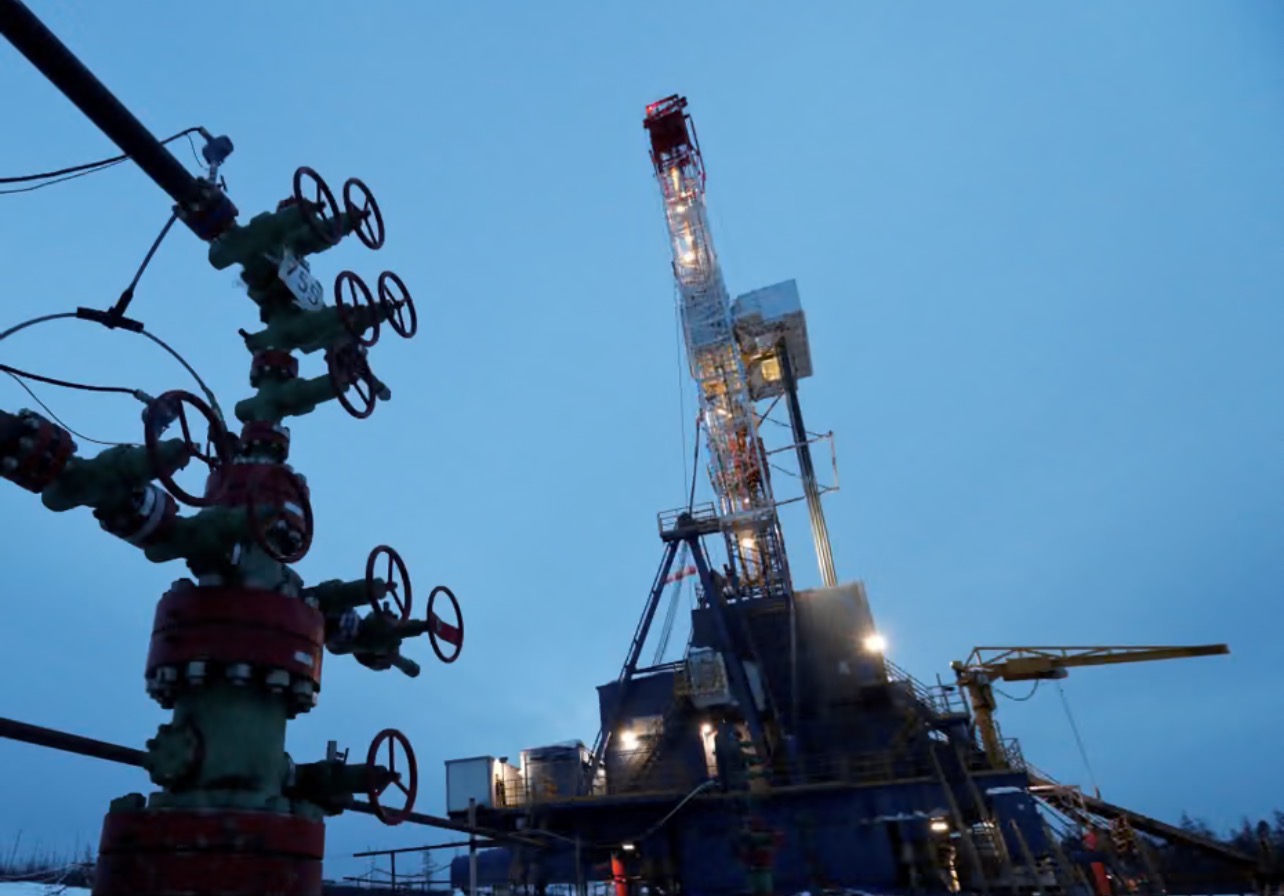
The political inconsistency is equally troubling. Governments cannot credibly present themselves as climate leaders while continuing to expand the economic and political space for fossil fuel extraction. Energy security is a legitimate concern, but it cannot become a permanent justification for postponing environmental responsibility. The costs of climate damage, including infrastructure destruction, agricultural losses, displacement and public health pressures, must form part of every serious energy policy calculation.
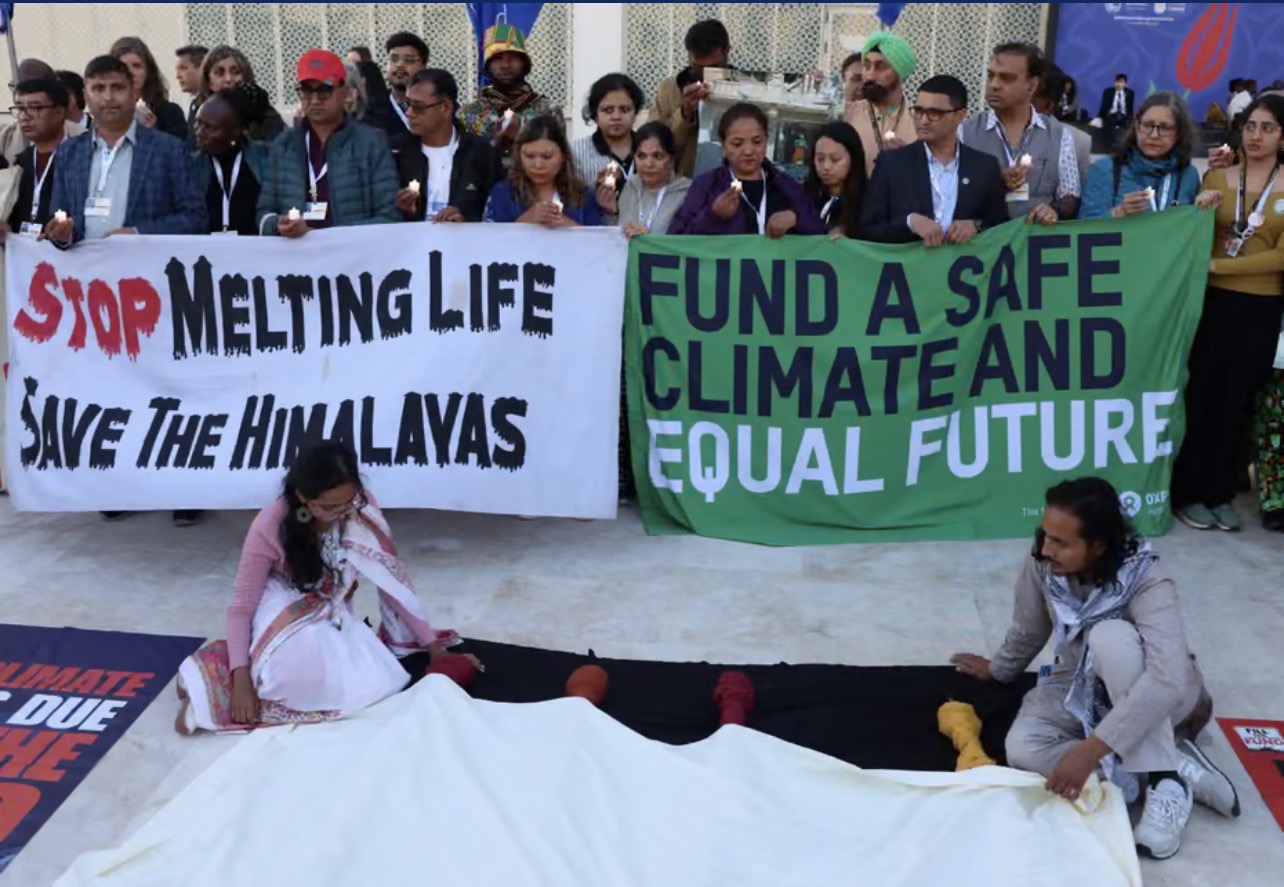
There is also a fundamental question of international fairness. Developing countries are being asked to transform their energy systems, protect vulnerable populations and strengthen climate resilience while facing financial constraints that wealthier economies do not experience to the same degree. Climate finance cannot remain a diplomatic promise repeatedly transferred from one negotiating round to another. It must be accessible, predictable and sufficient to meet the scale of the challenge.
For Pakistan and other climate-vulnerable countries, this debate is not theoretical. Floods, extreme heat, water insecurity and agricultural disruption expose the human and economic consequences of a changing climate. Countries that contribute relatively little to cumulative global emissions can nevertheless face enormous losses. Their demand for financial support is not a request for diplomatic generosity; it is a central question of international responsibility.
Climate science must also remain beyond political convenience. The Intergovernmental Panel on Climate Change provides the scientific foundation upon which governments assess risks and formulate policy. Attempts to weaken scientific cooperation or undermine established research would make an already difficult international response even more fragmented. Governments may disagree over the pace and financing of the transition, but they cannot afford to disregard the evidence informing it.
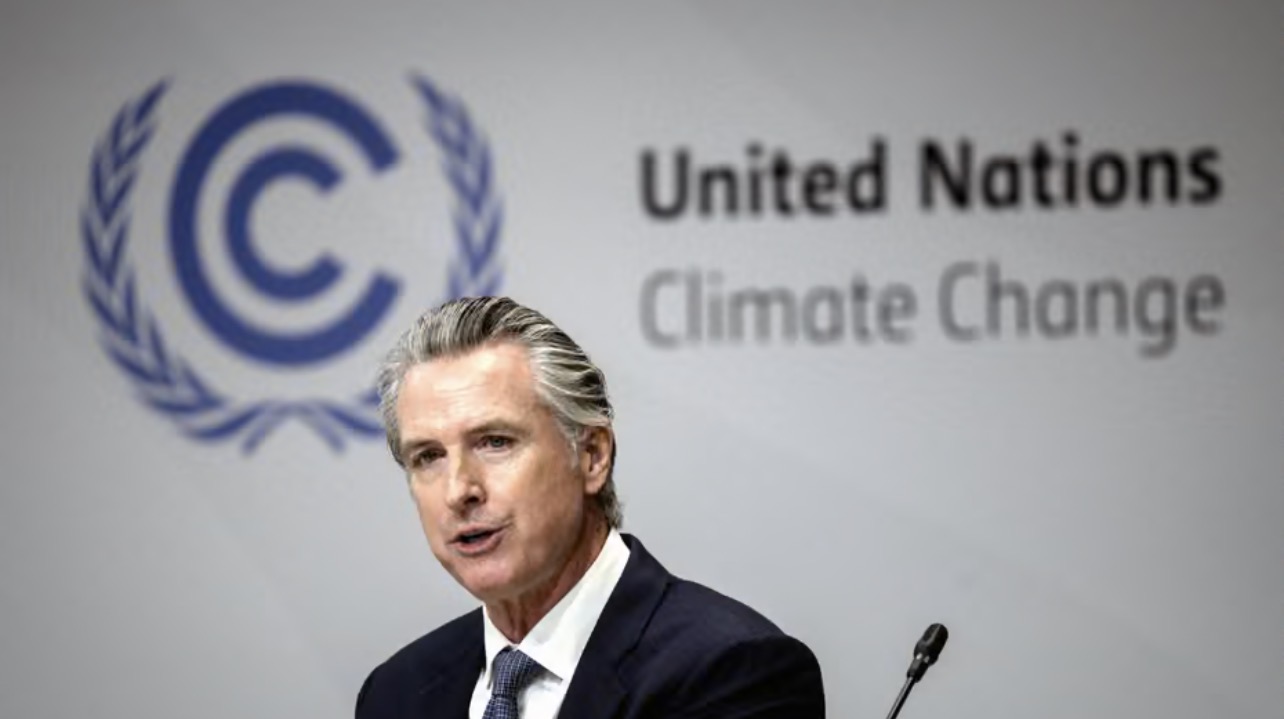
The United Nations climate process has its limitations. Consensus is difficult, national interests frequently collide and the influence of fossil fuel-producing economies complicates negotiations. Yet the alternative cannot be a retreat into isolated national policies. Climate change crosses borders, and its consequences cannot be contained by them. International cooperation remains indispensable, but cooperation without accountability risks becoming a substitute for action.
COP31 must therefore be judged by what governments are prepared to implement, finance and defend after the negotiations conclude. The credibility of climate diplomacy depends not on the number of commitments announced, but on whether those commitments alter national energy policies and deliver tangible protection for vulnerable populations.
The world has spent decades recognising the climate threat. It cannot spend another decade negotiating over whether the response is necessary. The green transition is no longer a question of political preference. It is a test of whether governments can place the long-term survival and security of their populations above the short-term interests that have delayed action for so long.
Subscribe to our weekly newsletter
Get the week's top stories from Asia delivered to your inbox — free, once a week.